
Why does my house still smell damp after the leak is fixed?
Because the water that leaked is still in the building. Framing, subfloor, drywall and insulation hold moisture long after the surface feels dry. In the Lowcountry's humid air, that moisture evaporates slowly and often turns into a musty odor, swollen trim and eventually mold.
Structural drying removes that hidden water on purpose. We map the wet areas, set dehumidifiers and air movers, and measure the building until it reaches dry targets.
Signs the structure is still wet
Musty or earthy smell
Damp wood and drywall give off a smell even after the leak stops.
Cupping or buckling floors
Wood absorbs moisture from below and warps.
Swollen baseboards and trim
Trim wicks water from wet drywall.
Condensation on windows
Excess indoor moisture condenses on cool surfaces.
Peeling paint or bubbling wallpaper
Moisture behind finishes lifts them.
Higher humidity indoors
A hygrometer reading above about 60 percent suggests drying is needed.
How structural drying works
Drying is a science of air and moisture. Air movers push dry air across wet surfaces, and dehumidifiers pull water out of the air. The ANSI/IICRC S500 standard describes how to set up drying and verify results.
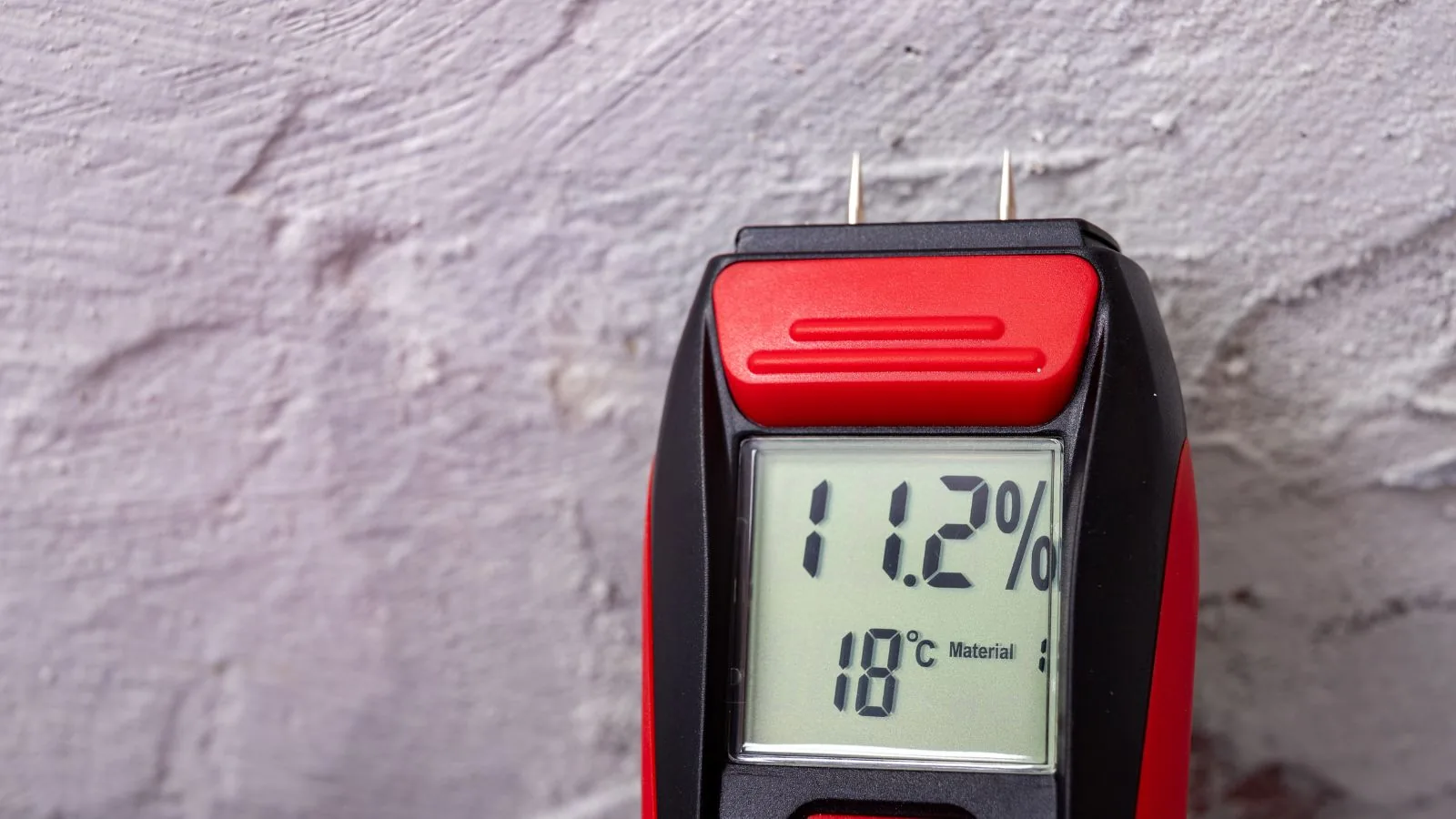
We use moisture meters and thermal imaging to track progress, and we adjust equipment each visit. Drying continues until readings match a dry reference point.
Map the moisture
Meters and thermal imaging show wet and dry zones.
Set equipment
Air movers and dehumidifiers are placed to move moist air out.
Monitor daily
Readings are taken and equipment is adjusted.
Confirm dry
Equipment is removed only when drying goals are reached.
Why humidity matters on Johns Island
Lowcountry summers are humid, and a building closed up with air conditioning can still hold moisture for days. Dehumidifiers matter more here than in dry climates because outdoor air cannot dry the structure.
A building that dries slowly can grow mold, so mold remediation is the next step if growth has started. If the water came from a leak, see water extraction for the first step.
What affects drying time
Materials
Hardwood and plaster dry slowly. Drywall dries faster.
Water category
Dirtier water may require material removal first.
Humidity
High outdoor humidity slows drying.
Building size
More rooms need more equipment.
| Material | Drying difficulty | Common approach |
|---|---|---|
| Drywall | Moderate | Dry in place or replace |
| Hardwood | High | Specialty drying mats |
| Concrete slab | High | Dehumidify |
| Framing | Moderate | Air movement and dehumidification |
Drying and your claim
Drying logs show your insurer that water was removed properly. Ask us for moisture readings and keep them with your claim paperwork.
Related work
Wet hardwood floors need hardwood floor repair, and wet walls are covered under wall and drywall repair.
What the equipment actually does
Air movers speed evaporation at the surface of wet materials, and dehumidifiers pull the resulting water vapor out of the air. Without the second step, the moisture simply moves to another part of the house. That is why a box fan alone does not dry a building.
Low-grain refrigerant dehumidifiers work well in warm rooms, and desiccant units can help in cooler or enclosed spaces. We choose equipment based on room size, temperature and the materials in the wall.
When drying is done
Drying is complete when moisture readings in each material match readings from unaffected areas of the same building. We record those readings and share them with you. Taking equipment away too soon is one of the most common reasons mold appears after a leak.
You will notice the difference. The air feels lighter, the musty smell fades and trim stops swelling. If those signs do not return, ask for another set of readings.
Questions from Johns Island homeowners
Most structures need several days. Time depends on materials, humidity and the amount of water.
Hidden moisture in framing and drywall keeps releasing into the air. Dehumidifiers remove it.
Fans move air but do not remove moisture. Dehumidifiers are needed.
Meter readings are compared to dry reference points. We share them with you.
Yes, but it is temporary. Drying usually takes several days.