
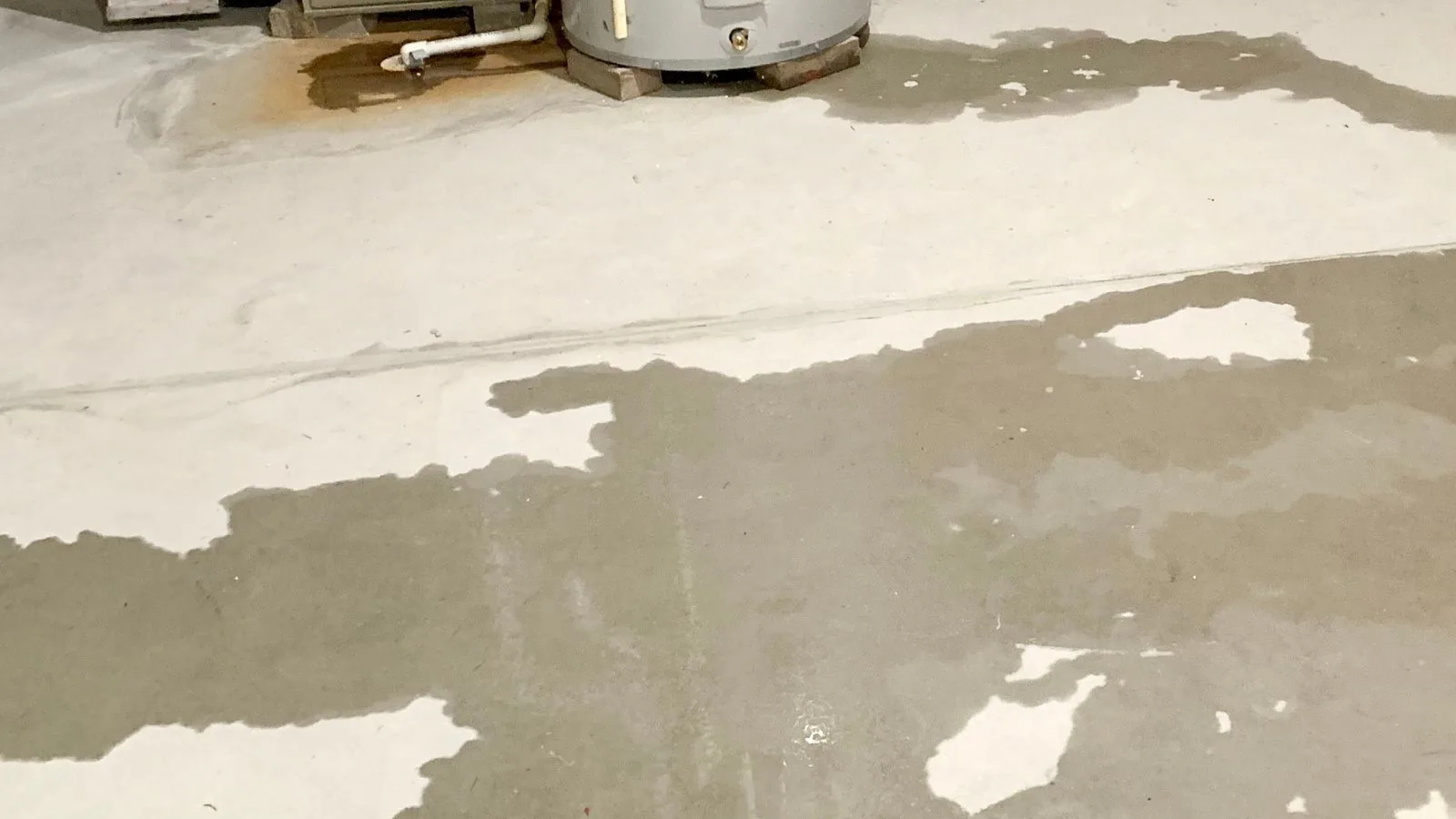
Some Johns Island homes have a basement, a below-grade garage or a lower-level room. This page covers those spaces. When water gets in, it has nowhere to drain, and the damp, dark conditions favor mold.
We pump out water, remove wet materials, dry the space and repair finishes. Waterproofing and drainage fixes are handled by specialty contractors.
What to do when a basement floods
Safety checklist for a flooded basement
Do not enter if water is near the electrical panel, outlets or appliances. Turn off power at the main only if you can reach it dry.
Water in a below-grade room can hide hazards such as sump pits and stairs. Take care and avoid walking in deep water.
Do not use a household vacuum to remove water. Photograph the waterline and any damaged belongings before moving them.
Where basement water comes from
Heavy rain and runoff
Water collects against foundation walls and finds cracks.
Rising groundwater
High water tables push water up through floors.
Plumbing failures
Water heaters, pipes and laundry hookups fail in lower levels.
Sump pump failure
Pumps stop during outages or when overwhelmed.
Sewer backup
Floor drains are the lowest outlet.
Storm surge
Tidal water can enter low openings.
Why this island needs honesty about basements
Johns Island sits low, near the tidal Stono River, and the National Weather Service recorded 15 to 20 inches of rain across the Charleston area in October 2015. Below-grade spaces take on water quickly in such events. We do not claim how common basements are here. We only clean the ones that are.
Charleston County stormwater planning classifies unincorporated Johns Island as a Stormwater Special Protection Area, so drainage deserves attention around any lower-level room.
How we clean a basement
Pump out the water
Pumps clear standing water safely.
Remove contaminated or soaked materials
Carpet, drywall and storage are cleared.
Dry and dehumidify
Equipment runs while meters verify progress.
Repair and finish
Walls, floors and trim are restored.
What affects the scope
Water depth
Deeper water means more pumping and more materials removed.
Water source
Clean water is treated differently from storm or sewage water.
Finishing
Finished walls and floors cost more to restore than bare concrete.
Storage
Boxes, furniture and electronics increase cleanup.
Basement water and coverage
Flood and groundwater usually need a flood policy, while a burst pipe or appliance failure is often covered by homeowners insurance. Know which one applies before you file.
Related problems
When floodwater caused the problem, see flood damage cleanup. If water backed up through a drain, sewage backup cleanup applies. Carpet in lower levels is covered under carpet water damage restoration.
What happens to a below-grade room after the water is gone
Concrete and masonry hold moisture long after the surface looks dry. Finished walls, carpet and stored cardboard can keep a lower level damp for weeks if drying is skipped. We use dehumidifiers because outdoor air on Johns Island is rarely dry enough to do the work for us.
Once readings are normal, we rebuild finishes and talk with you about what to store off the floor. Raising boxes, moving electronics up and checking drains before storm season are simple habits that reduce the next loss.
Before the next storm
Know where your main water shutoff and electrical panel are, and keep a battery-powered light and a phone charger ready. Move valuables off the floor and keep drains and sump pits clear.
If a hurricane or tropical storm is forecast, check your insurance coverage ahead of time and photograph your home as it stands today.
Questions from Johns Island homeowners
Yes. Our line is open 24/7, including nights, weekends and holidays, and the call is the first step for basement flooding.
Tell the dispatcher where the water is coming from, what is wet and whether the source is shut off. Same-day response is offered when available, and the scope and price are explained before work starts.
A small amount of clean water, yes, but deep water, electrical hazards and contamination need professional handling.
Fast, thorough drying lowers the risk, but damp materials left in place can still grow mold.
No. We clean and dry. Waterproofing is a separate contractor service.
We bring equipment and can plan around available power.
Often not for groundwater or surface flooding. It may cover sudden plumbing failures.