
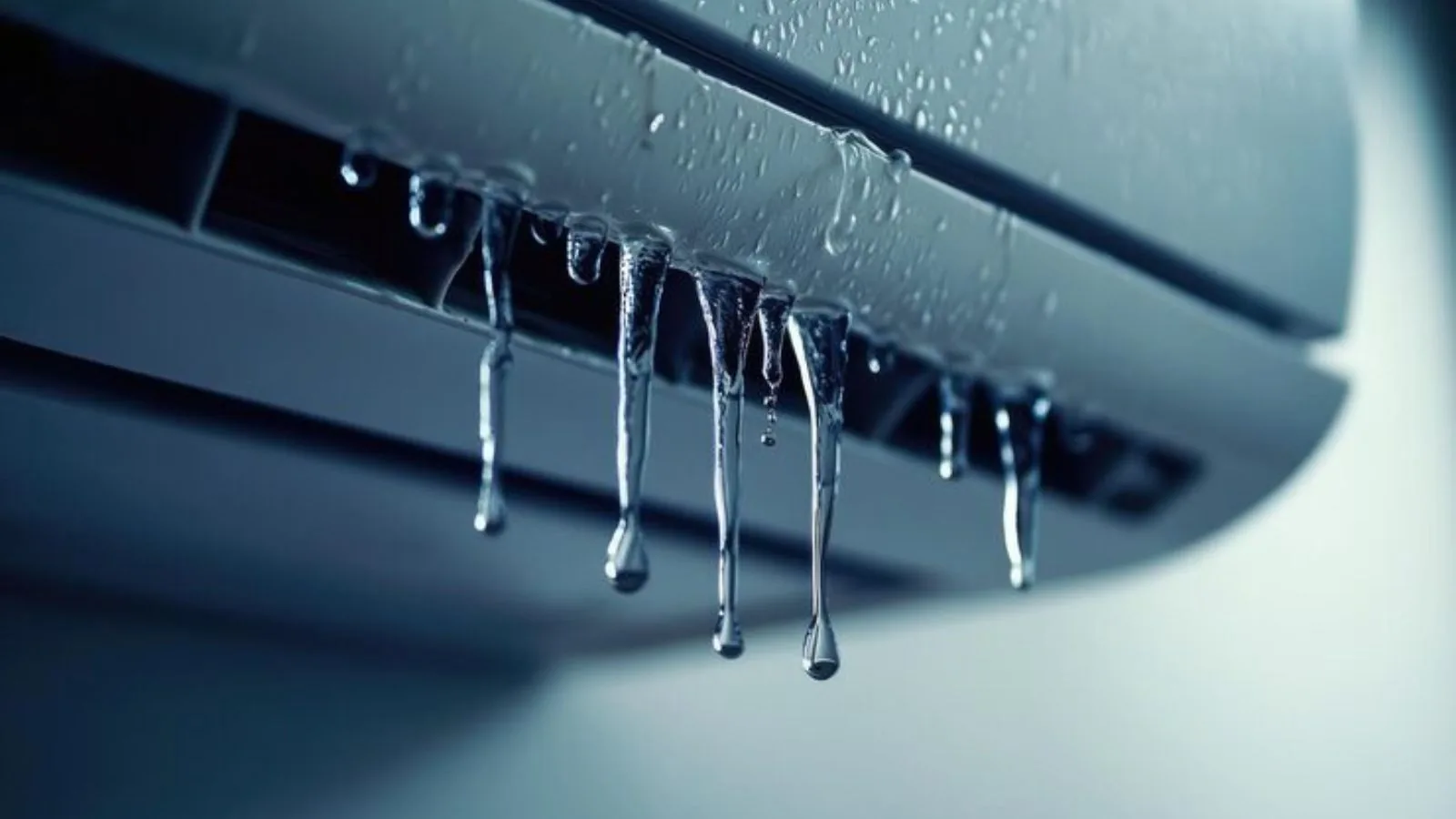
Air conditioners remove humidity, and in a Lowcountry summer that means a lot of water. The condensate drain carries it away. When the drain clogs, the pan overflows and water goes into the ceiling, wall or floor below the unit.
We dry and repair the damage. An HVAC technician clears the drain and fixes the system, and we handle the building.
What to do when the AC leaks
Turn off the AC at the thermostat and, if water is near electrical parts, at the breaker. Place a bucket under any drip and put towels around the unit.
Photograph the stain and any standing water. Then call an HVAC technician for the drain and call us for the building damage.
Where AC leaks cause damage
Attic air handlers
Overflow drips through the ceiling below, often near a hallway or bedroom.
Closet units
Water pools on the closet floor and runs into adjacent rooms.
Garage units
Water spreads over concrete toward walls and stored items.
Window and portable units
Overflow soaks sills, walls and flooring under the unit.
Why Lowcountry humidity makes this common
Hot, humid air carries a lot of water, and the evaporator coil condenses it all day during summer. A drain line that is partly blocked by algae or debris can handle that load for weeks and then back up in one hot afternoon.
A stain that appears below an attic unit is often an AC leak rather than a roof leak. Compare timing with rain before assuming the roof is at fault, and see ceiling water damage repair if the ceiling is soaked.
How we repair AC leak damage
Find the wet area
Meters and thermal imaging show where water traveled.
Remove wet materials
Wet insulation, drywall or flooring is removed where needed.
Dry thoroughly
Air movers and dehumidifiers dry the cavity and room.
Repair
Ceiling, wall or floor surfaces are rebuilt and finished.
What affects the scope
Leak duration
A slow drip over weeks causes more hidden damage than a single overflow.
Unit location
Attic leaks wet insulation and ceilings. Closet leaks wet flooring.
Materials
Drywall, insulation and flooring each need different handling.
Mold risk
Damp insulation in a warm attic can grow mold fast.
| Symptom | Likely cause | Who to call |
|---|---|---|
| Drip from ceiling | Clogged drain line | HVAC tech and us |
| Water at base of closet unit | Pan overflow | HVAC tech and us |
| Frozen coil | Low airflow or refrigerant | HVAC tech |
| Musty smell | Damp insulation or ducts | Us, then HVAC tech |
AC leaks and claims
Sudden overflow is often covered, while a slow leak from neglected maintenance may not be. Keep service records and photograph the clogged line.
Related problems
If the leak wet drywall in a wall, see wall and drywall repair. Damp attic insulation can also lead to mold remediation if drying is delayed.
Keeping the drain line clear through the summer
Condensate drains clog with algae, dust and debris, and the Lowcountry cooling season gives them months of heavy use. A technician can flush the line and add a float switch that shuts the system off before the pan overflows. That small step costs far less than repairing a ceiling.
If your air handler is in the attic, check the secondary pan and its drain line as well. Many leaks start when both the primary line and the backup are blocked at once, so a stain on the ceiling below can appear with no warning at all.
Attics, heat and wet insulation
Attics get very hot in the Lowcountry summer, and wet insulation in a hot attic can grow mold quickly. If water has been dripping from an air handler, assume the insulation around it is wet and should be checked.
We remove and replace wet insulation, dry the framing and look for stains on the underside of the roof deck.
Questions from Johns Island homeowners
The most common cause is a clogged condensate drain line. Other causes include a cracked pan or a frozen coil that melts.
A technician can flush the line safely. If water is already in the ceiling, call before climbing into the attic.
It can be urgent if water is soaking ceiling or walls. We handle it as a standard damage job and respond when available.
Sudden overflow is often covered. Slow leaks from poor maintenance may not be.
Schedule regular maintenance and drain flushes before summer. Install a float switch to shut off the unit if the pan fills.