
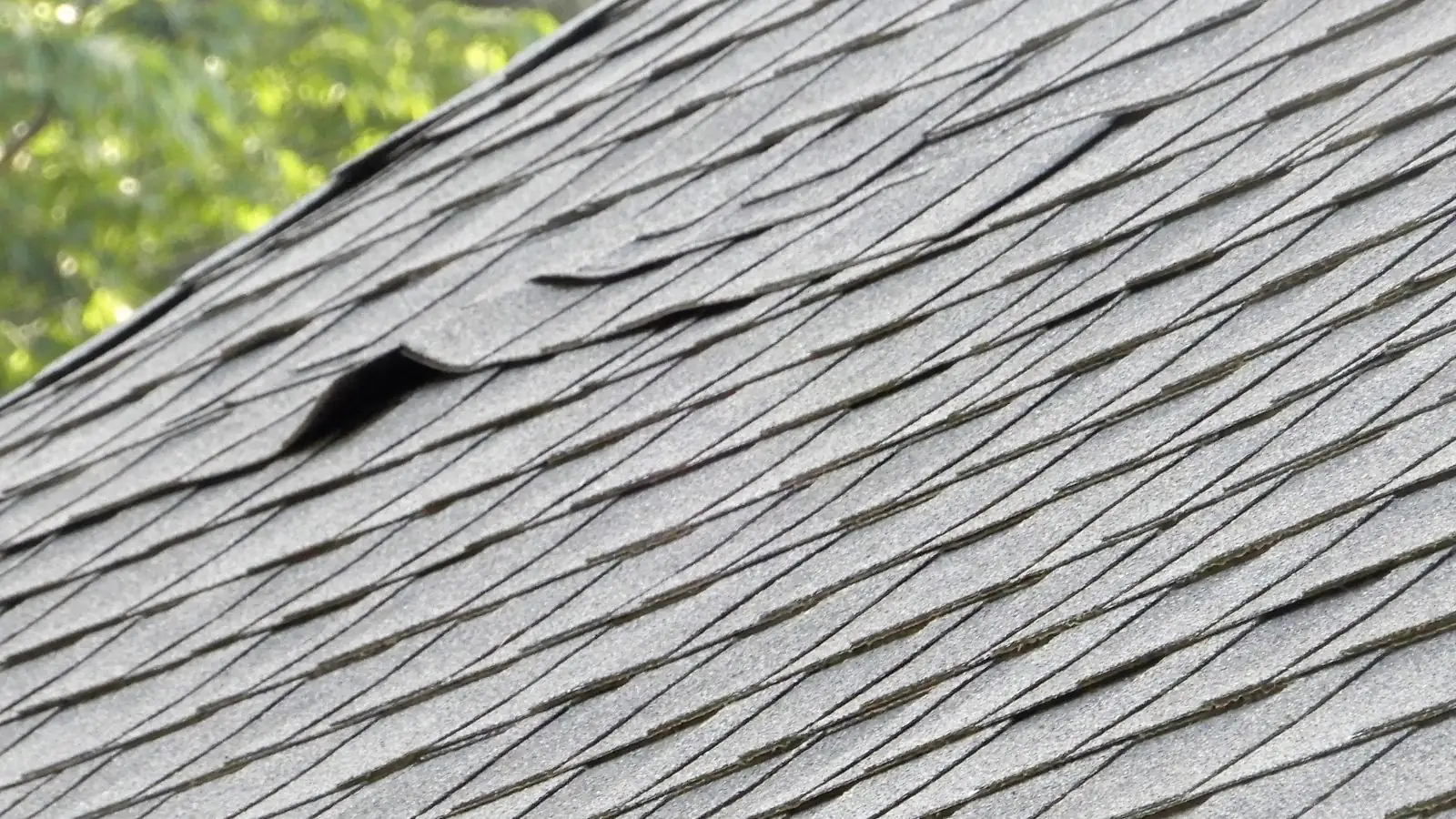
Storm water damage is wider than a single leak. Wind lifts shingles, rain gets in around windows and doors, and water that enters at one point can travel through attic insulation, ceilings and walls to the floor below.
We handle the water damage side of a storm loss. That includes extraction, drying, removal of wet materials and repair of ceilings and walls. A roofer or contractor handles roof repair and exterior work.
After the storm: what to do first
Safety first after a storm
Stay away from downed power lines, and assume any wet electrical equipment is energized. Do not enter a room with a sagging ceiling or water over outlets.
Wear gloves and boots in wet areas, and do not use generators indoors or in attached garages. Carbon monoxide is a serious risk during outages.
Photograph exterior damage and the inside before moving anything. If it is safe, cover openings with tarps to limit more rain, and call us for the interior water damage.
The Lowcountry storm calendar
The Atlantic hurricane season runs from June 1 through November 30. Hurricane Hugo struck the Lowcountry in September 1989 and caused more than $2.8 billion in damage across the region. In October 2015, the National Weather Service measured 15 to 20 inches of rain in the Charleston tri-county area, with localized totals above 25 inches.
Storms do not have to be hurricanes to damage a home. A Johns Island tornado was recorded in 2015, and summer thunderstorms bring heavy rain and wind that find gaps in roofing and siding.
Storm damage we see inside homes
Wet attic insulation
Wind-lifted shingles let water reach insulation, which holds moisture against the ceiling.
Ceiling stains and sagging
Water pools between joists and drops through drywall.
Water at windows and doors
Wind pushes rain past seals and into wall cavities and floors.
Wet carpet and flooring
Storm water that enters at the edges soaks the nearest flooring.
Downed limbs and holes
Tree damage opens the roof and lets in rain.
Power outages and sump failures
Without power, any water-removal system stops working.
How we handle a storm loss
Secure and assess
We check safe access and photograph damage for your claim.
Extract and remove
Water is removed, and wet insulation or drywall is cut out.
Dry the structure
Equipment runs while meters track drying.
Repair
Ceilings, walls and finishes are rebuilt once dry.
Wind-driven rain versus flooding
Wind-driven rain enters from the top or sides. Flooding enters from the ground. They are handled differently by insurers and by cleanup crews. Water from outside the home is typically classed as Category 3, so see flood damage cleanup if ground water entered.
If a ceiling is stained, see ceiling water damage repair for how roof leaks are handled.
What affects the scope
Entry points
One leak is simpler than several.
Insulation and framing
Wet insulation and framing add removal and drying.
Water category
Outside water is cleaned more thoroughly.
Ongoing weather
Repairs are scheduled around more rain.
Storm claims and documentation
Photograph roof damage and interior stains before temporary repairs. Keep receipts for tarps and emergency work. Wind and hail are usually covered, and flood is usually not.
Ask your agent about named-storm deductibles, which can differ from your standard deductible in coastal areas.
Where we work after storms
We serve Johns Island and nearby towns, including Wadmalaw Island, Ravenel and Charleston. After a major storm, crews prioritize active leaks and safety.
After a named storm
When a hurricane or tropical storm passes, damage reports spread quickly and crews are in demand. Call early, tell us the status of your power and roof, and photograph everything.
Keep a list of items damaged and where they were. It saves time when the adjuster arrives.
Questions from Johns Island homeowners
Yes. Our line is open 24/7, including nights, weekends and holidays, and the call is the first step for storm water damage.
Tell the dispatcher where the water is coming from, what is wet and whether the source is shut off. Same-day response is offered when available, and the scope and price are explained before work starts.
No. Mitigation should begin quickly. Document damage with photos and keep receipts so the adjuster sees what you saw.
Typically yes if the storm created an opening first. Policy terms vary, so check yours.
We focus on interior water damage and can coordinate with roofers. Temporary coverings help limit more rain.
We bring our own drying equipment, and we can plan around power availability.
It can start within a day or two on damp materials, which is why drying quickly matters.