
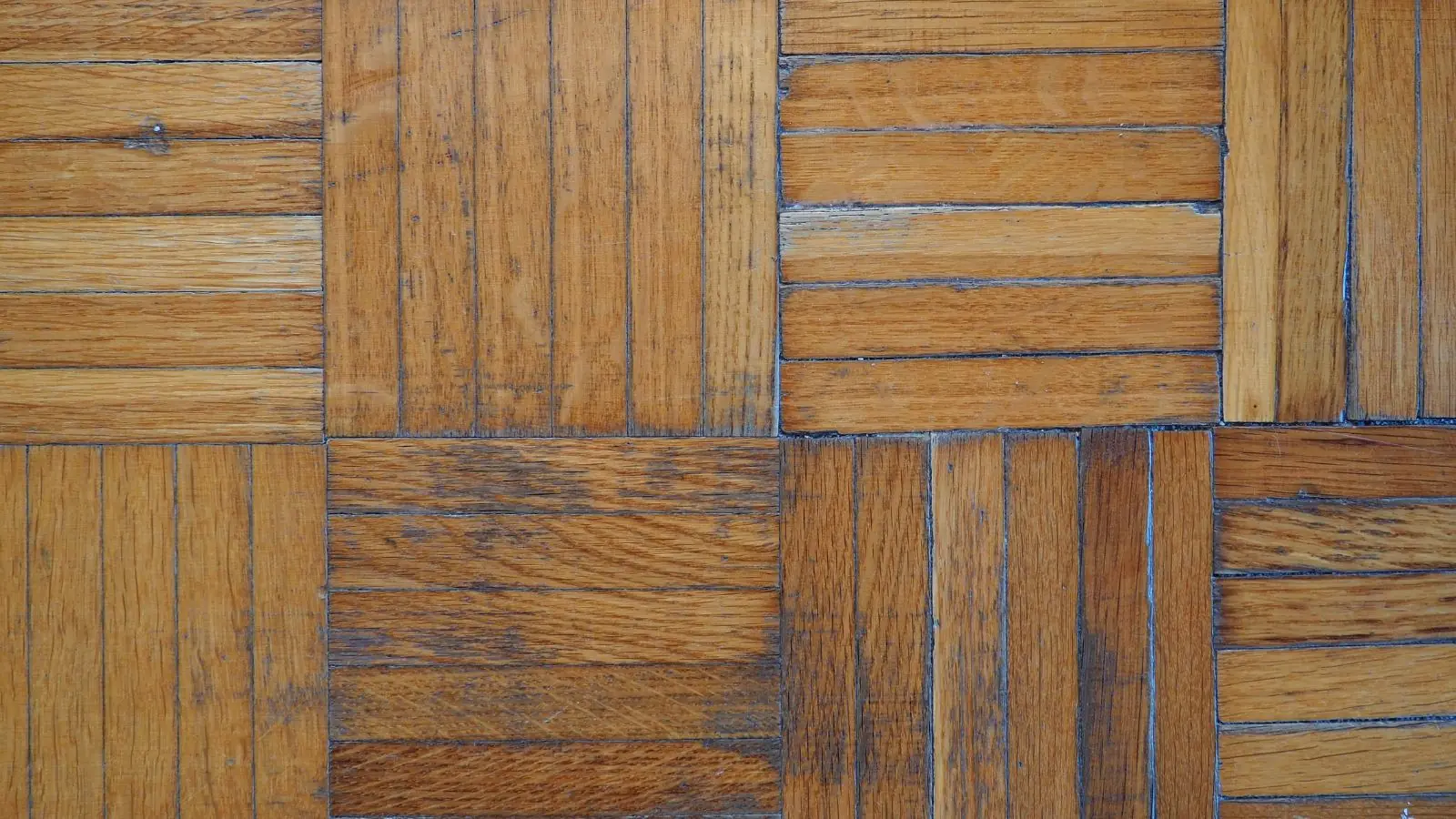
Hardwood is beautiful and unforgiving. A leak that wets the surface can also soak the boards from below, and swelling can push the floor against walls until it buckles. Fast drying can save many floors, and delay can ruin them.
We assess how wet the boards are, dry them with controlled airflow and mats, and tell you honestly whether the floor can be saved.
First steps if hardwood gets wet
Remove standing water and lift rugs, furniture and anything that traps moisture. Do not use heat guns or fans alone, because rapid drying can crack boards.
Photograph the damage and call us before sanding or refinishing. Sanding wet wood seals moisture in.
What water does to wood floors
Cupping
Edges rise higher than the center when the underside is wetter than the top.
Crowning
The center rises when the surface was wet and dried first.
Buckling
Boards lift off the subfloor when swelling has no room.
Staining
Dark marks show iron or tannin reacting with water.
Gaps after drying
Boards can shrink and open gaps once dry.
Mold under the floor
Trapped moisture can grow mold on the subfloor.
Hardwood in a humid climate
Lowcountry humidity affects wood even without a leak. A floor that has absorbed water cannot release it quickly when the air is already damp. Controlled dehumidification is how we give boards a chance to return to flat.
If the floor is over a crawl space, moisture below can be the source, so see crawl space water damage.
Our hardwood process
Measure
Moisture meters map wet boards and the subfloor.
Dry
Drying mats, dehumidifiers and airflow pull moisture out.
Evaluate
We check for cupping and crowning once readings drop.
Repair or replace
Boards are sanded and refinished or replaced.
Can my floor be saved?
| Condition | Often saved? | Notes |
|---|---|---|
| Surface water, caught fast | Often | Quick drying helps |
| Mild cupping | Often | May flatten as it dries |
| Buckling | Sometimes | Boards may need replacing |
| Standing water for days | Rarely | Warping and mold are likely |
What affects the scope
Wood species and finish
Solid hardwood dries differently than engineered.
Time wet
Days of dampness cause more permanent damage.
Area
Larger areas require more equipment.
Refinishing needs
Matching stain on old floors takes effort.
Hardwood and claims
Insurers often cover sudden leaks that damage floors. Keep samples of damaged boards and photos of installation details.
Related work
Floors damaged by a dishwasher leak are often part of kitchen water damage, and wet subfloors require structural drying.
Why wood floors need patience
Wood floors move slowly. They absorb water over hours and release it over days or weeks. Rushing the process by blasting heat can leave cracks, gaps and permanent crowning.
We use steady airflow, controlled humidity and drying mats on the worst areas. Moisture readings from the boards and the subfloor guide each visit, and we stop only when numbers are normal.
Refinishing, patching or replacing
If boards flatten as they dry, a light sanding and a new finish often brings the floor back. If boards stay cupped or gap badly, individual planks can be replaced. In severe cases a room section is replaced and blended with the surrounding floor.
Matching old stain and wear is the hardest step. We tell you what is realistic before the work begins.
Floors over a slab or a crawl space
Floors over concrete slabs often get wet from below, while floors over crawl spaces can absorb moisture from the air under them. Solid hardwood nailed to a subfloor reacts differently from engineered planks floating over a pad.
Knowing how your floor was installed helps us choose a drying method. Ask your installer or look for paperwork if the floor was added after the house was built.
Questions from Johns Island homeowners
Often yes if it is dried quickly and the subfloor is dry.
Cupping happens when moisture comes from below or from humidity.
Wait until moisture readings are normal. Sanding wet wood can lock in problems.
Drying often takes days, and flattening can take weeks.
Policies vary. Matching boards across a continuous floor is often discussed in a claim.