
What does a sewage backup look like when it starts?
It usually starts as a gurgling drain, a toilet that will not flush, a floor drain that bubbles or a sewer smell in the laundry or bathroom. Water may rise in a tub or shower when a washer drains. Once wastewater comes up through a fixture, the backup has begun.
Sewage is Category 3 water under the ANSI/IICRC S500 standard. It carries bacteria and viruses, so it is not a do-it-yourself cleanup. We remove the contamination, clean and disinfect surfaces, and dry the structure.
Protect yourself first
Safety steps for a sewage backup
Keep children, pets and anyone with a weak immune system out of the area. Do not touch the water with bare hands, and do not run more water down drains.
Turn off the HVAC if water has reached ducts or the air handler. Open windows for ventilation if the weather allows.
Stop using sinks, toilets, showers and washing machines until the line is cleared. Take photos of the backup before cleanup starts.
Is the problem your line or the main?
If only one fixture backs up, the clog is probably in your home's branch line. If several fixtures back up or water rises in the lowest drain, the blockage may be in the main line or in the system outside your property.
Check whether your home is connected to a public sewer or a septic system. Utilities serving the area include Charleston Water System and other providers, so call the right one if the problem is in the public line.
Cleanup we perform
Contain and protect
We set barriers and PPE and keep contamination from spreading.
Remove the contamination
Wet vacuums and extractors remove sewage, then we remove porous materials that cannot be cleaned.
Clean and disinfect
Surfaces are cleaned and treated with disinfectants.
Dry and verify
Dehumidifiers and air movers dry the structure, and meters confirm it.
What can and cannot be saved
| Item | Usually salvageable? | Why |
|---|---|---|
| Tile and concrete | Often yes | Non-porous surfaces clean well |
| Carpet and pad | Rarely | Porous materials hold contamination |
| Drywall | Usually no below the waterline | Absorbs and holds bacteria |
| Wood furniture | Sometimes | Depends on porosity and finish |
| Upholstery and mattresses | Rarely | Cannot be fully sanitized |
Factors that change the size of the job
Area affected
A single bathroom is a different scope than a whole level.
Porous materials
Carpet, pad and drywall must be removed instead of cleaned.
How long it sat
The longer wastewater sits, the more it spreads and soaks in.
HVAC involvement
Contaminated ducts add cleaning and containment.
Sewage backup and insurance
Sewer backup coverage is often a separate endorsement on a homeowners policy. Check for a water backup rider and file the claim quickly if you have one.
Related water problems
After the contamination is removed, the building still has to dry. Our structural drying work covers that stage. If a storm pushed water into drains, flood damage cleanup explains the outside water side.
After the cleanup
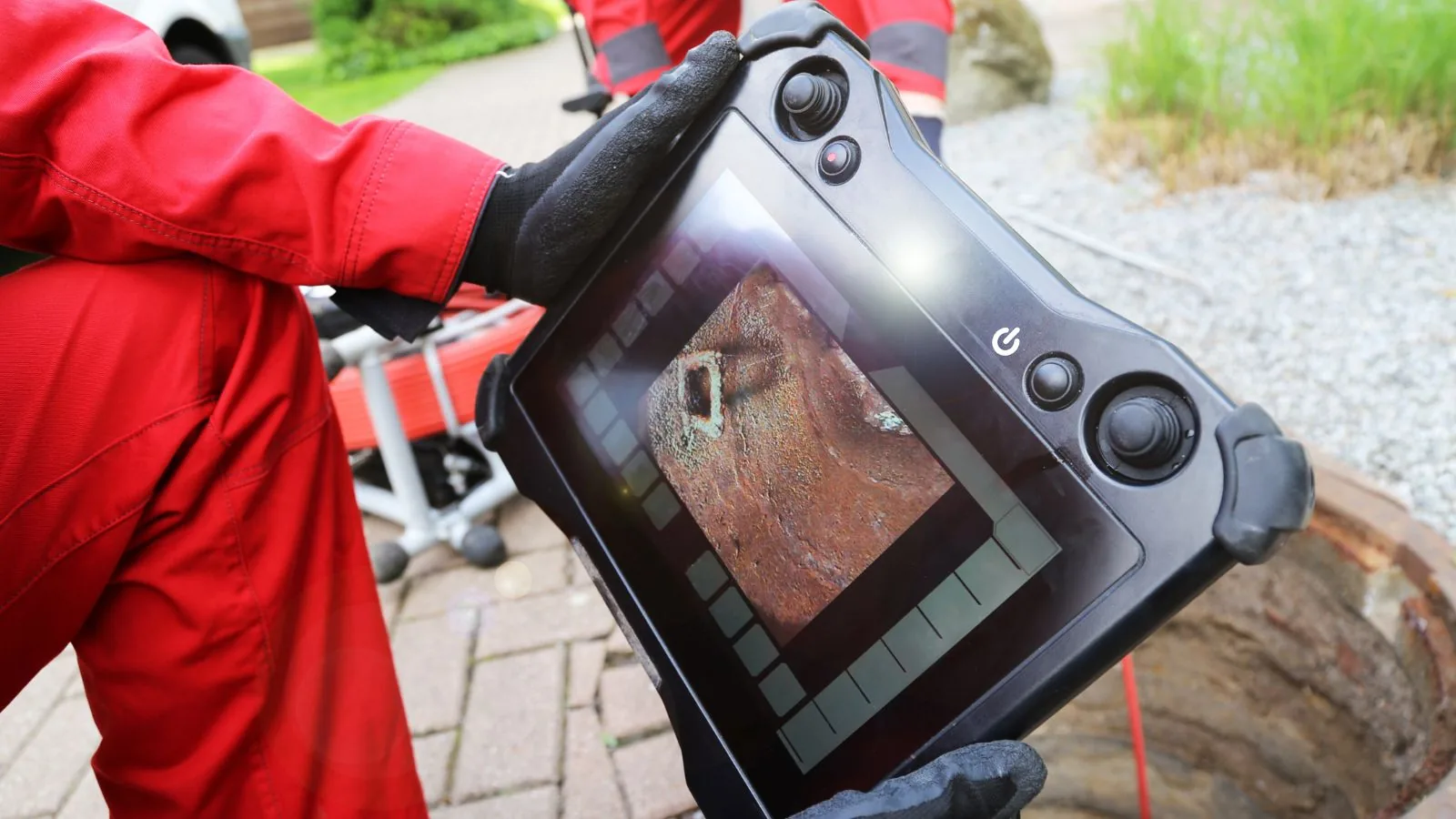
Once the area is cleaned and dry, a plumber can clear the line and check it with a camera. Ask them to tell you whether the problem was in your home's branch line or the main, because that affects who pays.
Keep records of the cleanup, including dates and photos. They help with insurance and with any claims against the utility if the public line was at fault.
Related help after a sewage loss
Sewage often reaches carpet and drywall, so see our carpet water damage and wall and drywall repair pages for how those materials are handled. If a basement is involved, our basement cleanup page explains the extra steps.
Questions from Johns Island homeowners
A gurgling toilet and overflowing water usually mean a blockage in the drain line. If other fixtures are affected, the blockage may be in the main line.
A sewer smell can come from a dry floor drain, a backing line or leaking waste pipes. Persistent odor with wet floors points to an active backup.
Yes. Our line is open 24/7, including nights, weekends and holidays, and the call is the first step for a sewage backup.
Tell the dispatcher where the water is coming from, what is wet and whether the source is shut off. Same-day response is offered when available, and the scope and price are explained before work starts.
We advise against it. Sewage contains pathogens, and porous materials need to be removed rather than wiped.
Often only with a water backup endorsement. Check your policy or ask your agent.
Not in the affected rooms. Keep out until the contamination is removed and disinfected.