
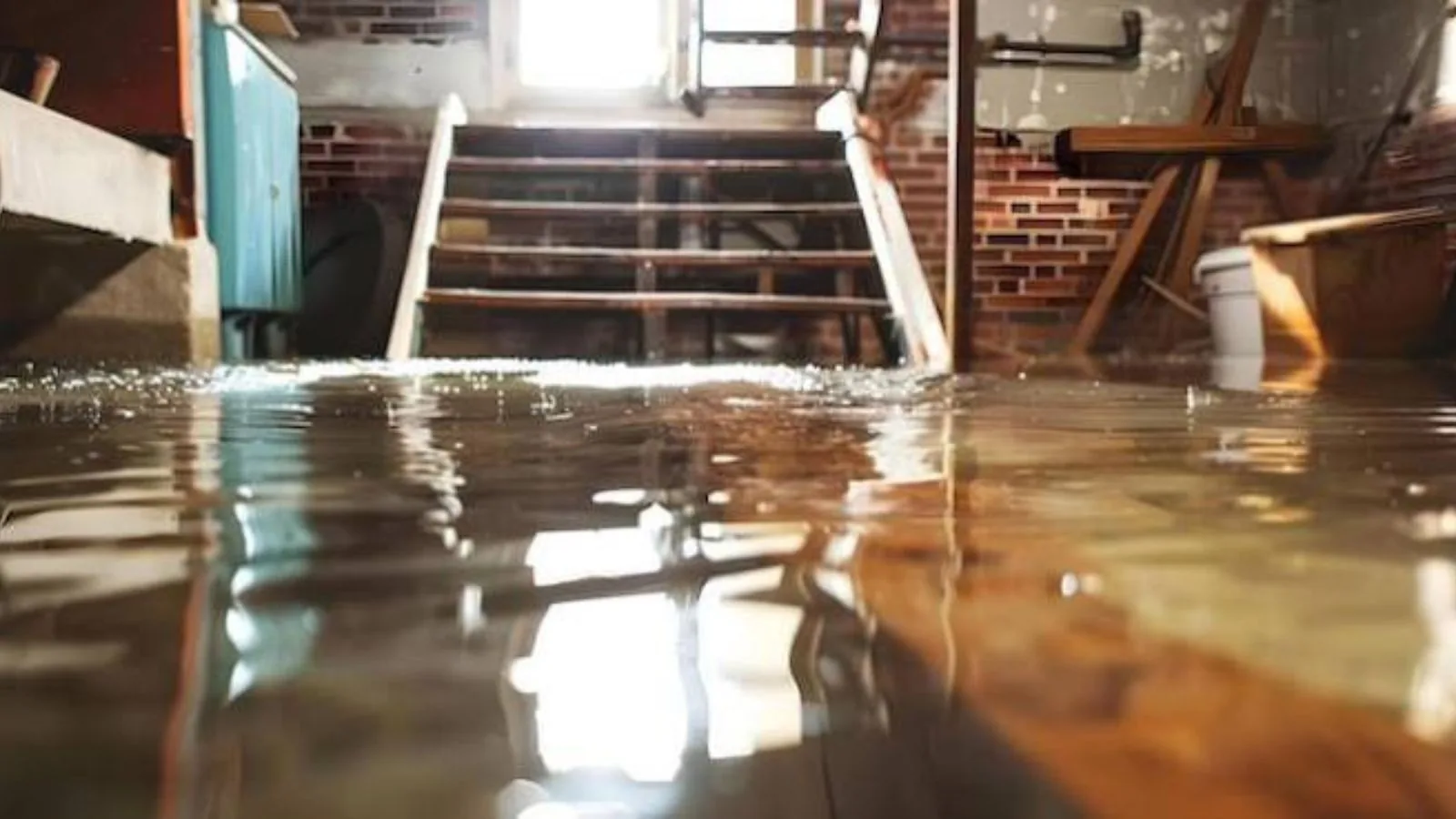
Floodwater is not the same problem as a leaking pipe. It carries mud, bacteria and whatever it picked up on the way to your door, and it keeps moving into walls, cabinets and flooring the longer it sits. Flood damage cleanup on Johns Island means removing the water, taking out what cannot be saved and drying the structure before the Lowcountry humidity finishes the job.
Our crews remove standing water, pull wet materials that cannot be dried and set drying equipment for the affected rooms. If the water came in through the roof or a plumbing failure instead of the ground, the job starts differently, and our water extraction work covers that first step.
Floodwater on Johns Island: what to do in the first hour
Safety first, before anything else
Stay out of standing water if the power is on. Turn off the breaker for any flooded room only if you can reach the panel without stepping in water, and call the electric utility if you cannot.
Do not walk through floodwater barefoot, and keep children and pets out of the affected rooms. Floodwater should be treated as contaminated until it is tested or the source is known.
Once the area is safe, photograph the waterline on walls and furniture before anything is moved. Lift small valuables, electronics and paper records to higher ground, and leave heavy furniture where it is until the water is out.
Then call. A crew can start extraction while you work on the insurance side, and early photos make the claim conversation easier.
Why this island floods the way it does
Johns Island is the largest island in South Carolina at roughly 84 square miles, and it is cut off from the mainland by the tidal Stono River. Charleston County stormwater planning classifies unincorporated Johns Island as a Stormwater Special Protection Area, which tells you the county treats runoff here as a real concern.
The National Weather Service recorded historic rainfall in October 2015, with widespread totals of 15 to 20 inches across the Charleston tri-county area and some spots above 25 inches. That rainfall is a useful benchmark for how bad flooding can get in this part of the Lowcountry.
Hurricane Hugo in September 1989 did more than $2.8 billion in damage across the Lowcountry, and low-lying lots near tidal creeks and the river edges are still the first to take water when a tropical system stalls.
What flood damage looks like once the water drops
Waterlines and staining
A brown line on drywall shows how high the water stood. Drywall that wicked above that line is usually wet too.
Warped or lifting floors
Laminate, hardwood and engineered planks swell within a day or two and may cup before you see standing water.
Soggy insulation
Wet batts hold water against framing and are removed rather than dried in most flood jobs.
Musty smell
A smell that returns after cleaning usually means moisture is still trapped in a wall or under flooring.
Rusting hardware
Door hinges, cabinet pulls and appliance feet show rust early. It is a quick signal that humidity is staying high.
Swollen baseboards
Trim that pulls away from the wall often hides wet drywall behind it.
How a flood cleanup job runs
Assess and document
We find the waterline, check for hazards and photograph affected areas for your claim.
Remove water and debris
Pumps and extractors take out standing water, then we remove mud and unsalvageable materials.
Cut and clean
Wet drywall and insulation are cut out above the waterline, and surfaces are cleaned and treated.
Dry and verify
Air movers and dehumidifiers run until moisture readings show the structure is dry.
What affects the cost of a flood cleanup
We do not quote prices on this page because every flood job is different. These are the factors that move the scope most.
Depth and duration
Water that stood for hours soaks deeper than water pumped out in the first hour.
Water category
Floodwater from outside is treated as Category 3 under the ANSI/IICRC S500 standard, which means more removal and cleaning.
Materials affected
Tile and concrete clean up well. Carpet pad, drywall and insulation often cannot be saved.
Square footage and rooms
More rooms means more equipment and more drying days.
| Material | Usually salvageable? | Why |
|---|---|---|
| Concrete and tile | Often yes | Non-porous surfaces clean and dry well |
| Hardwood flooring | Sometimes | Depends on how long it stayed wet |
| Drywall below the line | Rarely | Wicks water and holds contamination |
| Carpet and pad | Rarely | Pad absorbs contaminated water |
| Fiberglass insulation | No | Holds water against framing |
Flood and homeowners coverage are different policies
Standard homeowners insurance usually does not cover rising water from outside the home. Flood damage is typically handled under a separate flood policy, including National Flood Insurance Program coverage, so read your policy and ask your agent which one applies.
Document everything before cleanup begins. Photos, a short written timeline and our job notes give your adjuster the same picture we saw.
Related water problems we also handle
If the water came from a broken supply line inside the house, burst pipe cleanup is the better starting point. When wind and rain were the cause, storm water damage cleanup covers the roof and envelope side, and our service area page lists every nearby town we reach.
Wet walls and floors that need to be dried after the pumping is done are covered under structural drying.
Questions from Johns Island homeowners
Yes. Our line is open 24/7, including nights, weekends and holidays, and the call is the first step for flood cleanup.
Tell the dispatcher where the water is coming from, what is wet and whether the source is shut off. Same-day response is offered when available, and the scope and price are explained before work starts.
Not always, but floodwater from rivers, creeks or the ground is treated as Category 3 under the ANSI/IICRC S500 standard because of what it picks up outdoors.
Clean water from a failed supply line is a different category and is handled differently.
It depends on how far the water spread and whether the power and air handlers are safe to use. Ask the crew during the first visit and follow what they see on site.
Most structures need several days of equipment running, and wet materials removed during demolition shorten that time. The crew checks moisture readings to confirm when drying goals are met.
Only if you carry flood coverage or your policy lists the specific cause. Standard homeowners policies usually exclude rising water, so confirm with your agent before assuming either way.
Yes. We serve the whole island, including Stonoview, Whitney Lake and Riverview Farms, and the nearby towns listed on our service area page.