
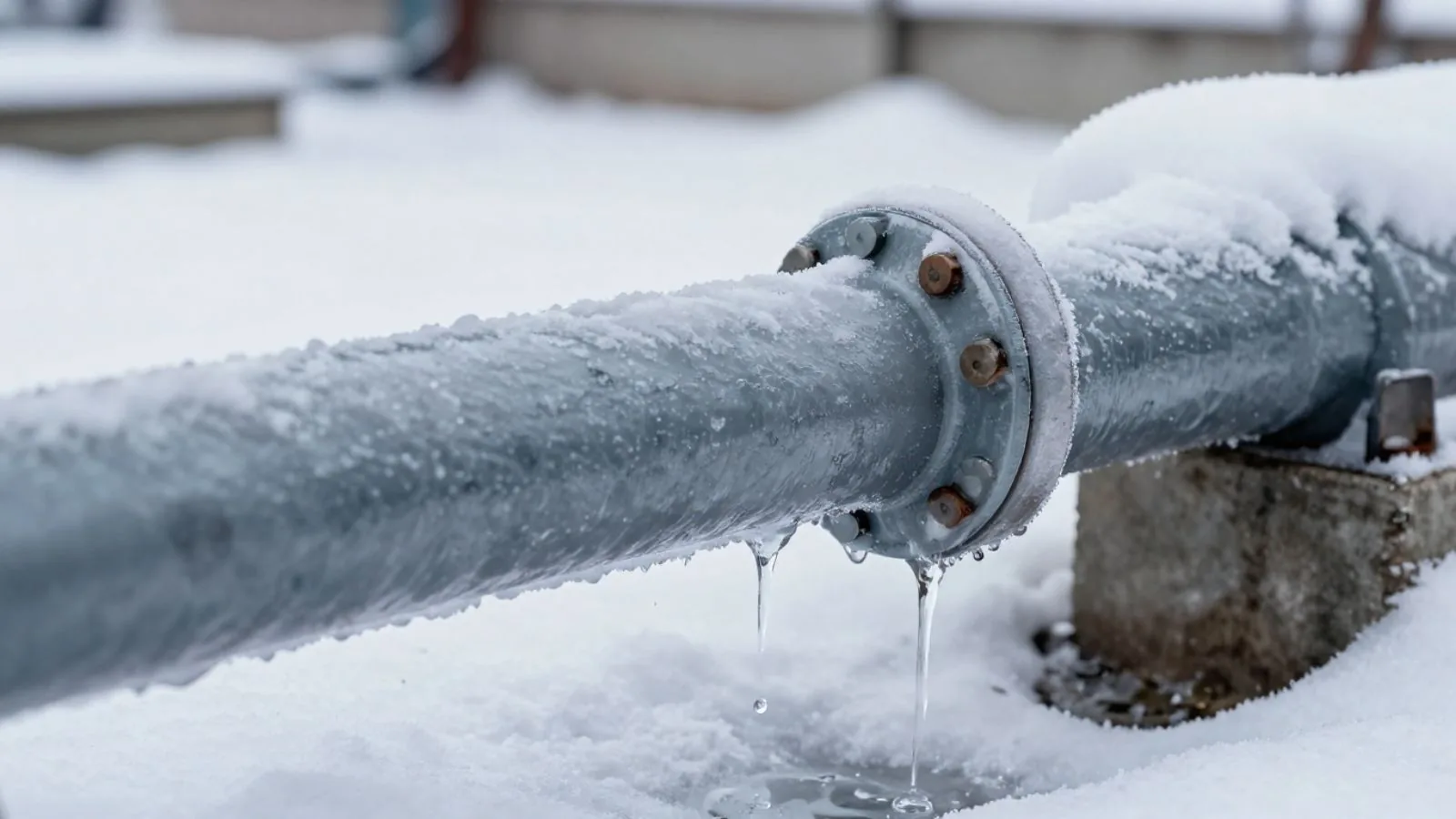
Frozen pipe damage is a thaw problem. The pipe cracks when ice expands inside it, but the water does not pour out until the ice melts. That is when homeowners find a wet ceiling or a flooded cabinet after a cold night.
Johns Island homes are built for a warm climate, so pipes in crawl spaces, attics, garages and exterior walls often have little protection. When a freeze reaches them, the damage can be sudden and hidden.
How often does Johns Island actually freeze?
Not often, but it does. The South Carolina State Climate Office normals for the Charleston station show about 12 nights per January at or below 32 degrees. December averages about 9 nights, and November about 3. In 2022 the Charleston station recorded 21 such days across the year.
We do not claim a local frequency of burst pipes because no primary source tracks that. What we can say is that a few cold nights per winter are enough to threaten exposed lines.
If you think a pipe is frozen
Safety steps before the thaw
Open the faucet served by the frozen line so water has a place to go when it thaws, and keep the main shutoff within reach. If a pipe is visibly split, turn off the main water before the ice melts.
Never use an open flame, torch or kerosene heater to thaw a pipe. Gentle heat from a hair dryer or a space heater placed safely at a distance is safer.
Open cabinet doors under sinks on exterior walls and leave the heat on. Call us as soon as water appears.
Where pipes freeze in coastal homes
Crawl spaces and raised floors
Vented crawl spaces let cold air reach supply lines under the house.
Attic runs
Lines above insulation sit in the coldest part of the house.
Exterior walls
Pipes on the outer wall of a kitchen or bath have less insulation behind them.
Garages and utility rooms
Washer hookups and water heater lines in unheated spaces are common victims.
Outdoor spigots
Hose bibs without a freeze-proof design can split inside the wall.
Irrigation and pool lines
Exposed backflow assemblies freeze first and can leak back toward the house.
Our frozen pipe cleanup process
Find the break
We check suspect spots with moisture meters and open access only where needed.
Extract the thaw water
Pumps and extractors remove water from floors, cabinets and low areas.
Dry the cavity
Air movers and dehumidifiers dry framing, drywall and subfloor.
Verify and repair
We confirm readings and rebuild what was removed.
Why thaw leaks are easy to miss
A pipe that cracked overnight may look fine until midday, when the temperature rises and the ice turns to water. By then the leak may be behind a wall, above a ceiling or under a floor.
If a stain appears hours after a cold snap, treat it as an active leak. Closing the main is better than waiting to see.
What changes the scope
Number of breaks
A single split is a small job. Several breaks along one run mean more rooms and more drying.
Time before shutoff
Water running while no one is home reaches further than a leak caught in minutes.
Location of the break
Attic breaks drop water through ceilings. Crawl space breaks wet the subfloor.
Materials affected
Insulation, drywall and flooring each carry different removal needs.
Frozen pipe claims
Many policies cover freeze damage when the home was heated, and some require reasonable steps such as keeping the heat on. Photograph insulation, vents and exposed pipes to show conditions at the time of the loss.
Related problems after a freeze
A split line often becomes a burst pipe cleanup once it thaws. If water ran in a crawl space, see crawl space water damage, and our Wadmalaw Island service area covers outlying homes where pipes are more exposed.
Questions from Johns Island homeowners
Yes. Our line is open 24/7, including nights, weekends and holidays, and the call is the first step for a frozen pipe leak.
Tell the dispatcher where the water is coming from, what is wet and whether the source is shut off. Same-day response is offered when available, and the scope and price are explained before work starts.
A faucet that runs slowly or not at all in cold weather is the usual sign. Frost on a visible pipe or a pipe that feels very cold also points to ice inside.
Only if it is not cracked and you can do it safely with gentle heat. If the pipe is split or you cannot reach it, shut off the water and call.
Often yes, if the damage was sudden and the home was reasonably heated. Policy language varies, so confirm with your insurer.
Usually when the temperature rises and the ice thaws. That can be hours after the cold snap ends.
They are occasional. Climate normals for the Charleston station show several freezing nights each winter, which is why exposed pipes remain at risk.