
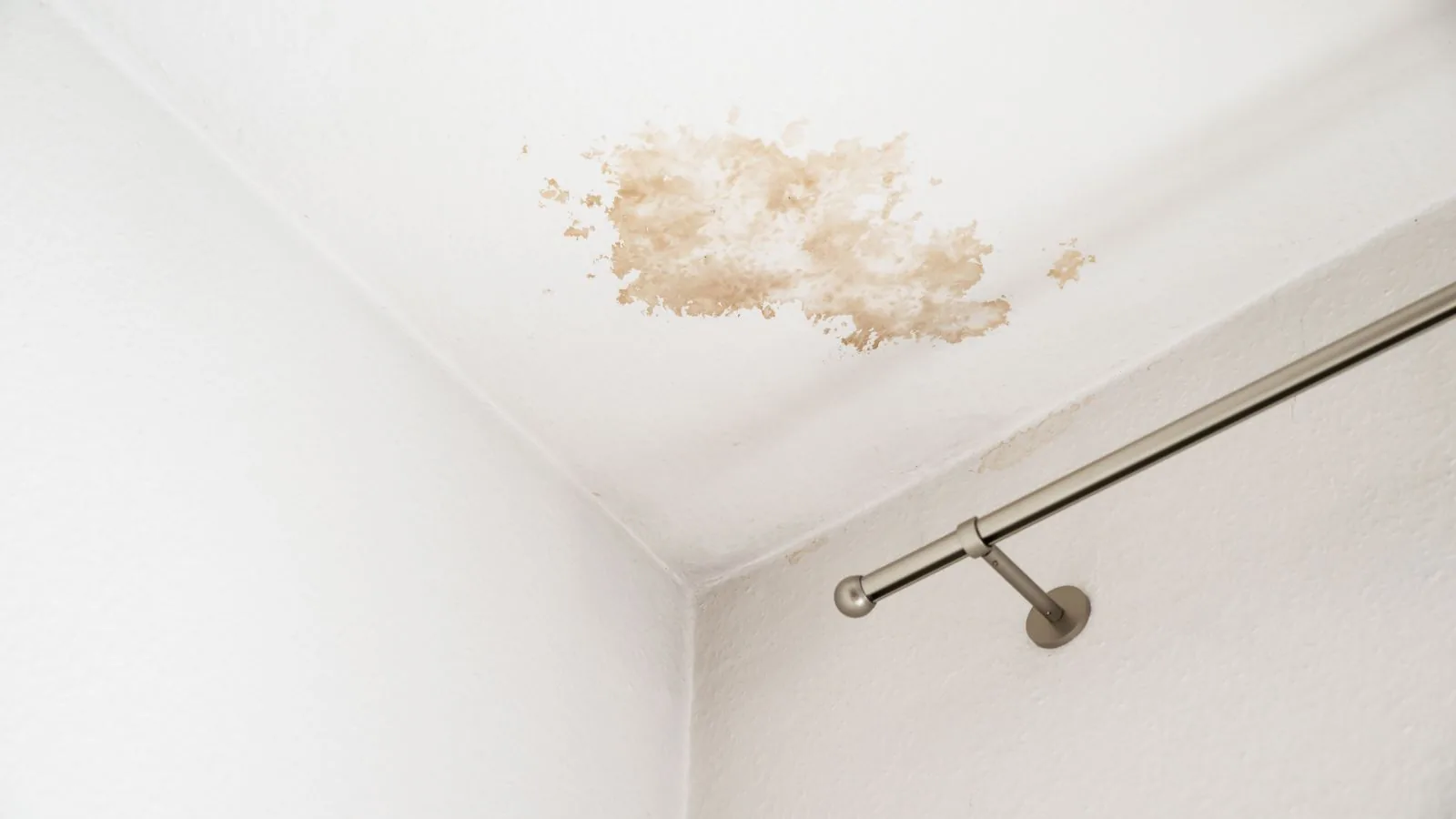
Commercial water damage is a logistics problem as much as a cleanup problem. Inventory, equipment, employees and customers all depend on the building. Our crews extract water, dry the structure and work around your schedule.
We handle retail, offices, restaurants, medical suites and multi-unit buildings on Johns Island and nearby towns.
First steps for a business
Safety steps for commercial water loss
Stop customers and staff from entering wet areas. Shut off water at the main and cut power to flooded circuits only if you can do so safely.
Move inventory, files and electronics to dry space. Take photos for the insurer before items are moved if possible.
Call your insurer and your landlord or property manager. Then call us so extraction and drying can begin.
What commercial jobs involve
Large floor areas
More square footage means more extraction and drying equipment.
Mixed materials
Tile, carpet tile, drywall and ceiling tiles each need different handling.
Shared walls
Water can travel to neighboring units.
Food service
Kitchens need sanitation before reopening.
Medical and office
Records and equipment need protection.
Documentation
Insurers want detailed logs and photos.
Business districts and coverage
Johns Island businesses cluster along Maybank Highway and Main Road, with smaller shops and farm-related businesses along River Road and Bohicket Road. We serve those corridors and the nearby towns listed on our service area page.
Permits for repairs fall under the authority for your location. Charleston County Building Inspection Services handles unincorporated areas, and the City of Charleston and North Charleston have their own offices.
How we handle a commercial loss
Assess and protect
We document damage and protect equipment.
Extract and remove
Water is removed, and wet materials are cut out.
Dry and monitor
Equipment is set and readings are logged.
Restore and reopen
Walls, ceilings and floors are rebuilt.
Reducing downtime
Plan the work in zones so part of the building can reopen sooner. We schedule noisy work after hours when possible and keep you updated on drying progress.
When the loss started in a storm, see storm water damage cleanup. If sewage is involved, see sewage backup cleanup.
What affects the scope
Building size
Larger buildings need more equipment.
Occupancy
Open businesses require phased work.
Materials
Commercial finishes vary.
Insurance requirements
Detailed documentation adds steps.
Commercial claims
Business owners often carry property and business interruption coverage. Document inventory and keep receipts for emergency work.
Related work
We also serve nearby business areas in North Charleston and Charleston.
Keeping records the insurer will ask for
Commercial claims move faster with good documentation. We keep daily moisture logs, equipment records and photos of each affected area. Those records show what was wet, how it was dried and when the building reached dry standards.
Business owners should also save inventory lists, receipts for emergency purchases and notes on lost hours. Those items support both property and business interruption claims.
Choosing what to save first
In a commercial loss, we help you set priorities. Electronics, records, specialty inventory and food are moved first, and floors and ceilings follow. The faster protected items are in dry space, the smaller the claim.
Owners who rent should also read their lease. It often says who must call the insurer, who handles the building envelope and who pays for tenant improvements.
Questions from Johns Island homeowners
Yes. Our line is open 24/7, including nights, weekends and holidays, and the call is the first step for a commercial water loss.
Tell the dispatcher where the water is coming from, what is wet and whether the source is shut off. Same-day response is offered when available, and the scope and price are explained before work starts.
Often yes in zones. We plan to limit disruption.
Yes. We coordinate with owners, managers and insurers.
Yes. We keep moisture logs and photos.
We document the pathway, and neighbors should contact their insurers.