
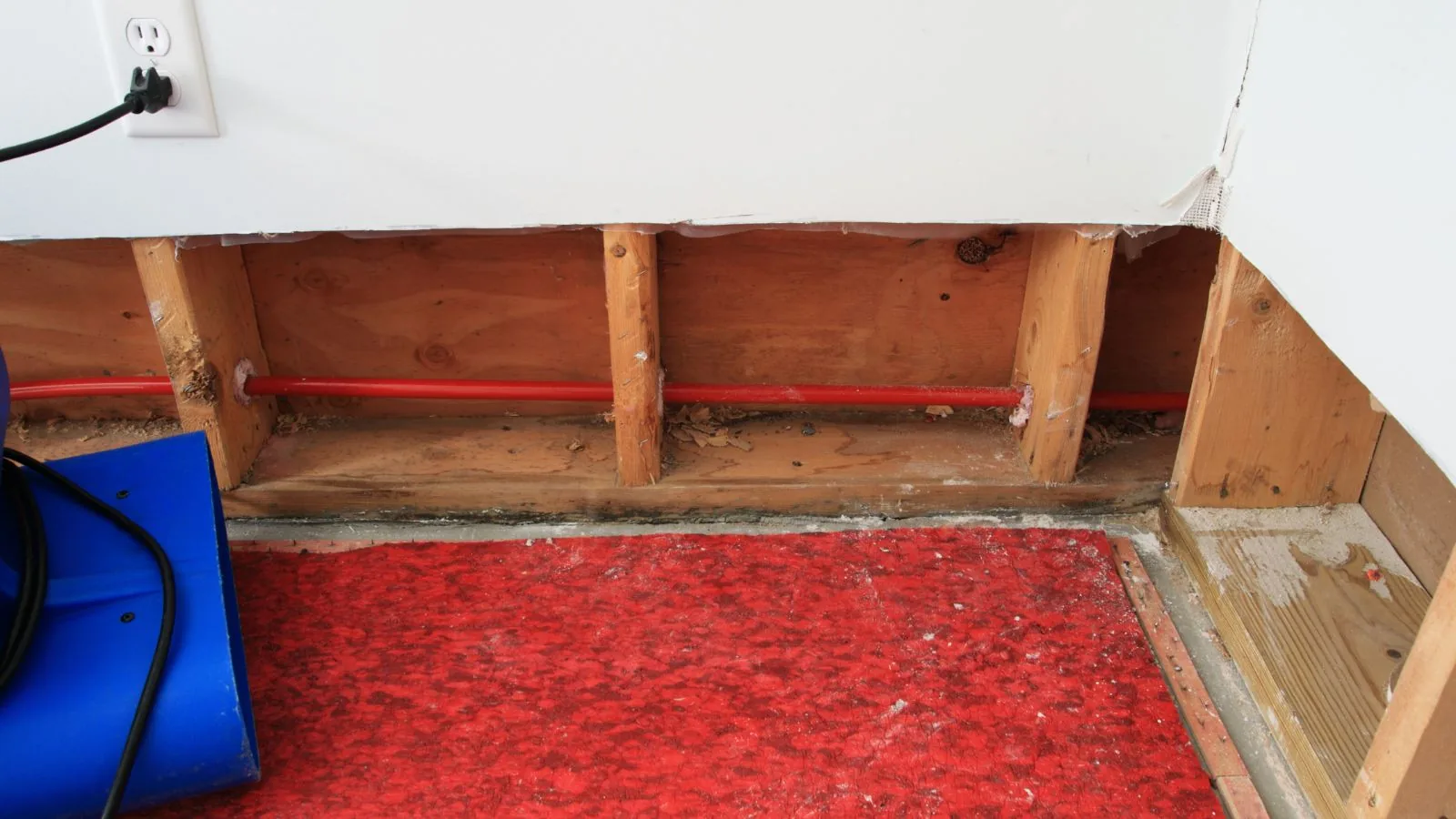
Dry it fast if the water was clean and the item can be lifted off the floor, and discard it if the water was dirty, sewage or flood. Foam and fabric hold water deep inside, so a surface that feels dry can still be wet inside. The decision depends on the water source and the clock.
First, check the water source
Clean water from a supply line or a rainwater roof leak is the best case. Water from a drain, toilet, flood or sewage is contaminated, and porous furniture that touched it should be discarded. If you do not know the source, treat it as contaminated.
How long it has been wet
Mold can begin on damp materials within a day or two. A mattress or sofa that has been wet longer than 48 hours is much harder to save, especially in humid weather.
| Item | Clean water, caught fast | Contaminated or old |
|---|---|---|
| Innerspring mattress | Often dried and used | Discard |
| Memory foam mattress | Rarely saved | Discard |
| Fabric sofa | Sometimes saved | Discard |
| Leather sofa | Sometimes saved | Often discard |
| Solid wood furniture | Often saved | Clean or discard |
Steps to dry a wet mattress
Lift it off the floor
Prop it on its side near a vent.
Blot, do not rub
Press towels into the surface to remove water.
Add airflow and dehumidification
Fans plus a dehumidifier pull moisture out.
Check the center
Press the middle. If it is cool or damp, it is not dry.
Sofas and upholstered furniture
Remove cushions and cover, stand the frame on foil or plastic and use airflow. Check the wood frame and the foam. If the foam is soaked, it takes days to dry and may not dry fully at home.
Odor and mold
A musty smell means moisture remains. Baking soda can absorb odor but does not dry the item. If you see spots, discard the item and see mold remediation for the room.
Mattress covers and bedding
Wash bedding in hot water and dry it completely. Sheets and blankets that sat damp can mold and should be washed quickly. Mattress protectors help reduce future moisture reaching the mattress itself.
Salvaging what you can: a short list
- Solid wood tables, chairs and bed frames can often be dried and cleaned.
- Plastic and metal items can be cleaned and sanitized.
- Books and papers can sometimes be frozen and dried later.
- Electronics should not be turned on until checked.
- Soft items such as stuffed animals and pillows can be washed if the water was clean.
When in doubt about contaminated water, do not keep porous items. Take photos for your records before you discard anything, because your insurer may ask for them.
Protecting your next mattress
A waterproof mattress protector is a small purchase that guards against spills and small leaks. A platform or slatted base lets air move under the mattress, which helps it dry. In a humid climate, a dehumidifier in the bedroom reduces the chance that dampness lingers.
Dry-out checklist for the room
- Open closet doors and move furniture a few inches from walls.
- Run a dehumidifier and keep windows closed in humid weather.
- Use fans to move air across the wet items.
- Check the carpet and pad under the furniture.
- Look for stains or smells on the walls behind.
The room matters as much as the furniture. If the carpet or wall is wet, the furniture will pick up moisture again even after you dry it.
Cleaning and deodorizing after drying
Once an item is truly dry, you can clean it. Vacuum upholstery with a HEPA vacuum, spot clean stains with a mild detergent and let it dry again. Baking soda left on a mattress for a few hours can help with odor before vacuuming.
If a smell lingers after the item is dry, there may still be moisture inside. Use a moisture meter if you have one, or replace the item if the smell is strong.
When to throw an item away
If the water was from a sewage backup or floodwater, discard porous items like mattresses and upholstered furniture. Cleaning cannot make them safe. If the water was clean and the item dried within a day or two, drying may be possible.
Foam and padding hold water deep inside. If you cannot get the center dry, mold risk rises. When in doubt, ask a professional who can use a moisture meter to check.
Document before you discard
Photograph each item and note its age and approximate value before disposal. If you file a claim, an adjuster may ask for this list. A few minutes of notes can save a lot of trouble later.
Drying a salvageable item safely
Move the item to a dry, ventilated area, preferably outdoors in the sun if weather allows. Stand it on its side so air reaches all surfaces. Run a fan across it and replace damp towels often.
Check again after a day or two. If it still smells musty or feels cool and damp, it may not be worth saving. A dehumidifier in the room speeds things up and reduces the chance of mold.
Humidity on Johns Island
Lowcountry humidity means fabric and foam dry slowly even in an air-conditioned room. Running a dehumidifier in the room and keeping doors open helps the whole space dry, and an AC set to a lower temperature can help too.
If the leak came from above, see ceiling water damage repair, and if the carpet underneath is soaked, see carpet water damage restoration. We also serve Wadmalaw Island and North Charleston.
Questions we hear on Johns Island
Sometimes, if the water was clean and it dried within a day or two. Memory foam is hard to save.
Press the cushion cores and frame. They should feel the same temperature as the room and have no damp smell.
Often yes for sudden leaks, under personal property coverage. Take photos before disposal.
It dries the surface only and may spread moisture. Use airflow and dehumidification instead.
Discard porous furniture. See the sewage backup cleanup page.