
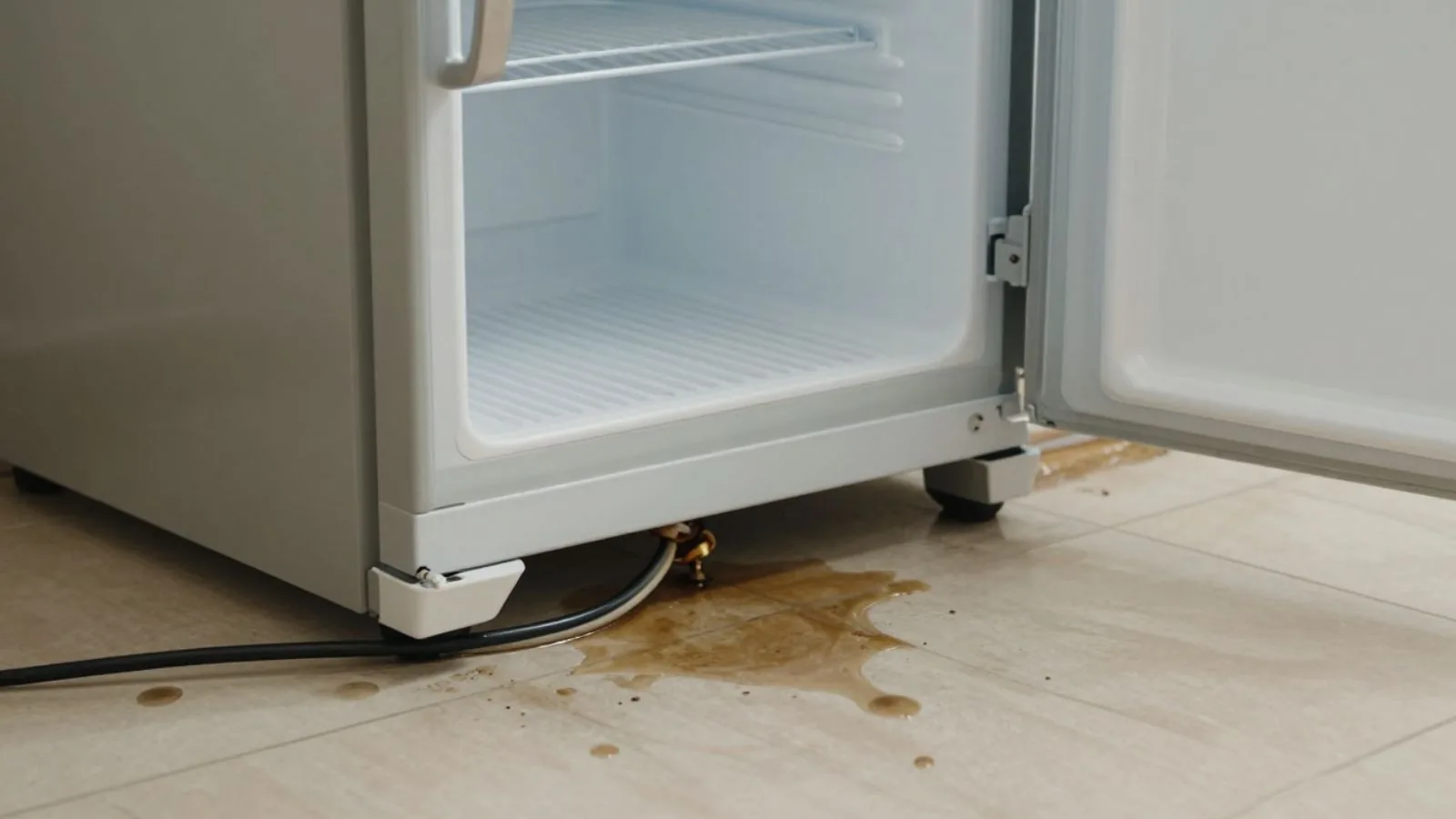
File a claim if the repair cost is well above your deductible, if there is any chance of hidden damage or if the loss involves contamination. Pay out of pocket if the cost is close to your deductible and the damage is clearly contained and dry. The decision is financial, and a few questions make it easier.
Start with your deductible
Compare the likely repair cost with your deductible. If a leak costs a few hundred dollars to fix and your deductible is a thousand, the claim pays nothing. If the damage might be larger than it looks, file or at least report it so that the claim is on record.
Remember that coastal policies may have a separate named-storm deductible, which applies to wind and rain from a hurricane or tropical storm and can be a percentage of your home's insured value.
What a claim can do to your record
Insurers share claim histories through databases, and a history of water claims can raise premiums or make a new policy harder to get. Even a claim that pays nothing may be recorded in some systems, so ask your agent how inquiries are treated before you call.
| Situation | Lean toward | Why |
|---|---|---|
| Small, contained, dried within a day | Pay yourself | Cost may be below deductible |
| Hidden damage possible | Report and mitigate | Costs can grow |
| Sewage or contaminated water | File | Cleanup is costly |
| Repeat leaks from same source | Fix source first | Insurers may deny |
| Storm damage to roof | File | Roof costs can be large |
Hidden damage is the real risk
A small visible stain may be only the surface of a wet wall or ceiling. Moisture meters and thermal cameras can show how far water traveled. If the readings are low, you may confirm that you do not need a claim.
Duties after a loss
Your policy usually requires you to protect the property from further damage, document the loss and report it promptly. Keep receipts for mitigation, because those costs are often reimbursable if the loss is covered.
Questions to ask your agent
- What is my deductible for this type of loss?
- Does a report with no payment affect my record?
- Is mold covered, and up to what amount?
- Does my policy include water backup coverage?
A worked example of the decision
Imagine a washer hose that leaks for a short time and wets a laundry room floor. The cleanup and drying cost less than your deductible, and the flooring is tile. Paying yourself is likely cheaper than filing, and you avoid a claim on your record.
Now imagine the same hose leaking overnight into a hallway with hardwood and the wall behind it. The scope is larger, the flooring is at risk and hidden moisture is likely. A claim is more reasonable in that case.
How to keep both options open
Document the loss well even if you plan to pay yourself, so you can file later if the damage turns out to be bigger. Ask the restoration company for moisture readings and photos, and keep the invoice.
Most policies set a deadline for reporting a loss, and delayed reporting can hurt a claim. If you are unsure, talk with your agent about the timeline without naming a claim number.
Checklist before you call your insurer
- Read your deductible on the declarations page.
- Get moisture readings so you know the real scope.
- Get a written estimate for mitigation and repair.
- Ask your agent how reports and inquiries are recorded.
- Set a deadline to decide, so the question does not drag on.
A clear picture of the cost makes the choice easier. Many homeowners are surprised both ways, with some small losses turning out larger than expected and some seeming large that turn out minor.
What if the leak is from a neighbor or a shared line?
Water from a neighbor's unit or a shared supply line can be handled through the other party's insurance. Document the damage, notify the property manager or association and ask your insurer how to coordinate. Your policy may still pay first and recover from the other party later.
Do not delay the drying while you sort out who pays. Mitigation is time sensitive, and records of when you acted protect you.
How to document a small loss
Photograph the source, the damage and any wet materials. Keep the bill from the plumber and any receipts. Write down the date you found the leak and the steps you took to stop it.
Even if you decide not to file, keep these records. If the problem returns or turns out to be bigger, you will have a clear timeline. Insurers often ask when you first noticed the issue.
When it is worth calling your agent first
A short call to your agent can clarify your deductible and how a claim might affect your premium. You are not committing to file by asking. That conversation can help you decide with facts rather than guesses.
For Johns Island homeowners
The National Weather Service recorded 15 to 20 inches of rain across the Charleston tri-county area in October 2015, which is why flood coverage and storm deductibles deserve attention on the island. Standard homeowners policies typically exclude flood from outside, so a small interior leak and a flood are handled very differently.
For the cleanup side, see our water heater leak cleanup and appliance leak water damage pages, and we serve Ravenel and Hanahan as well.
Questions we hear on Johns Island
You can often withdraw before payment, but the report may still be on record. Ask your agent first.
No. You can pay a restoration company yourself.
It can, depending on your insurer and history.
No. Begin mitigation and document the damage.
Usually not. Floodwater from outside typically needs flood coverage.