
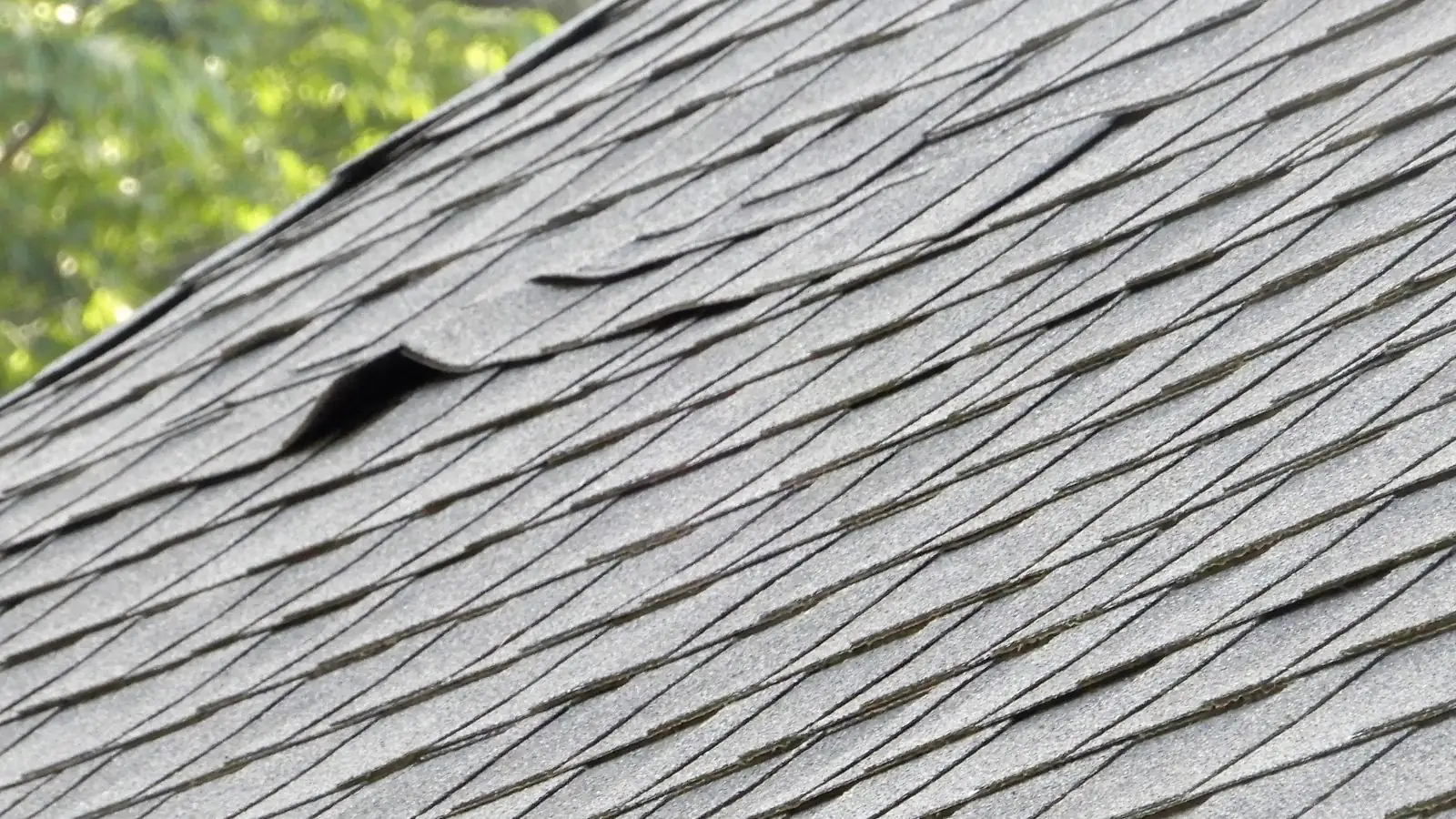
Water damage on Johns Island follows the calendar. Late summer and fall bring hurricanes and heavy rain, summer brings thunderstorms and AC condensate leaks, and winter occasionally brings freezes. A few checks each season catch most problems early.
Spring: get ahead of the season
Check your roof for lifted shingles and flashing, clear gutters and make sure downspouts carry water well away from the foundation. Inspect the attic for stains and test your sump pump if you have one.
Summer: AC and thunderstorms
Flush the AC condensate line before cooling season and look at the secondary pan. Summer storms bring heavy rain and wind, so trim limbs that could damage the roof.
Hurricane season
The Atlantic hurricane season runs June 1 through November 30. Review your insurance, take photos of your home and belongings, and know where your main water shutoff and electrical panel are.
| Season | Main risks | Quick checks |
|---|---|---|
| Spring | Roof wear, gutters | Roof, gutters, downspouts |
| Summer | AC overflow, storms | Condensate line, trees |
| Fall | Hurricanes, heavy rain | Insurance, shutoffs, drains |
| Winter | Occasional freezes | Insulate exposed pipes |
Fall: heavy rain and tropical systems
October 2015 brought 15 to 20 inches of rain across the Charleston tri-county area, according to the National Weather Service. That is a reminder that fall rain can overwhelm drains and flood low ground.
Winter: freezes are rare but real
The South Carolina State Climate Office normals for the Charleston station show about 12 nights in January at or below 32 degrees, about 9 in December and about 3 in November. In 2022 the station recorded 21 such days. Wrap exposed pipes, protect outdoor spigots and open cabinet doors on cold nights.
A quick checklist for each season
- Spring: clean gutters, inspect the roof from the ground and test the sump pump if you have one.
- Early summer: flush the AC condensate line and check the drain pan.
- Before June 1: review insurance, photograph the home and locate your shutoffs.
- Late summer: trim limbs, secure outdoor items and plan where to go if you must leave.
- Late fall: check windows and door seals, and clear drains before heavy rains.
- Before winter: wrap exposed pipes and protect outdoor spigots.
Put reminders on your phone so the checks happen without effort. Many leaks start in places that are only looked at once a year, such as the attic and the crawl space.
What to do after any big weather event
Walk the property when it is safe. Look at the roof, the attic, the ceilings and the crawl space. Photograph anything unusual and check for new stains, drips and musty smells.
If you see damage, call your insurer and a restoration company the same day. Early drying keeps the problem small, and early documentation keeps the claim simple.
Why the island matters for planning
Johns Island is the largest island in South Carolina, at roughly 84 square miles, and it relies on a few main roads such as Maybank Highway and River Road. Storms and high water can affect those roads, so plan for the possibility that you may need to leave early or stay put for a while.
Keep copies of your insurance policy, a list of valuables and your key phone numbers in a waterproof bag. A written plan for pets, medications and where to stay helps when time is short.
Small habits that prevent big losses
- Run the washer only when you are home.
- Replace old hoses before they fail.
- Turn off the main water when you travel.
- Keep gutters and drains clear.
- Look in the attic after each major storm.
What to put in a storm folder
- A copy of your insurance policy and your agent's phone number.
- Photos or video of every room and your major belongings.
- Receipts for big purchases.
- The location of your main water shutoff and electrical panel.
- A list of local contacts for utilities and repairs.
Keep the folder in a waterproof bag and a copy in cloud storage. When a storm threatens, add the date and a short video of the outside of the house. If damage occurs, the folder saves hours of searching.
A simple seasonal checklist
Before hurricane season starts on June 1, clear gutters, check the roof and test the sump pump if you have one. In late summer, check the AC condensate line for clogs. In winter, protect exposed pipes during a hard freeze.
After any big storm, walk the home and look for stains, soft spots and musty smells. Early detection is the cheapest form of protection, and it takes only a few minutes.
Why the shoulder seasons still matter
Spring and fall bring heavy rain events that can overwhelm drainage. King tides can also push water into low areas near the marsh. Do not assume that a quiet month means the risk is gone.
Keeping a small emergency kit
Keep a flashlight, a wet vacuum, plastic sheeting, tape, a few towels and a list of key phone numbers in one place. Add a copy of your insurance policy and a few photos of each room. When water shows up, you will not be searching for supplies.
Know where the main water shutoff and the electrical panel are, and show other adults in the home. A calm, quick response in the first few minutes often limits how far the damage spreads.
A Johns Island checklist
Johns Island is the largest island in South Carolina, and the tidal Stono River separates it from the mainland. High tides and storms can affect low ground and roads.
If a storm hits, see storm water damage cleanup and frozen pipe damage for the usual cases, and call us for Hanahan and Wadmalaw Island too.
Questions we hear on Johns Island
Before June 1. Review insurance, document your home and make sure you know where shutoffs are.
At or below 32 degrees for several hours, especially in uninsulated spaces and with wind.
Twice a year, and after major storms.
The AC condensate line. A clogged line can ruin a ceiling quietly.
Low ground and roads near tidal creeks can take water during storms and unusual tides. Check local alerts.