
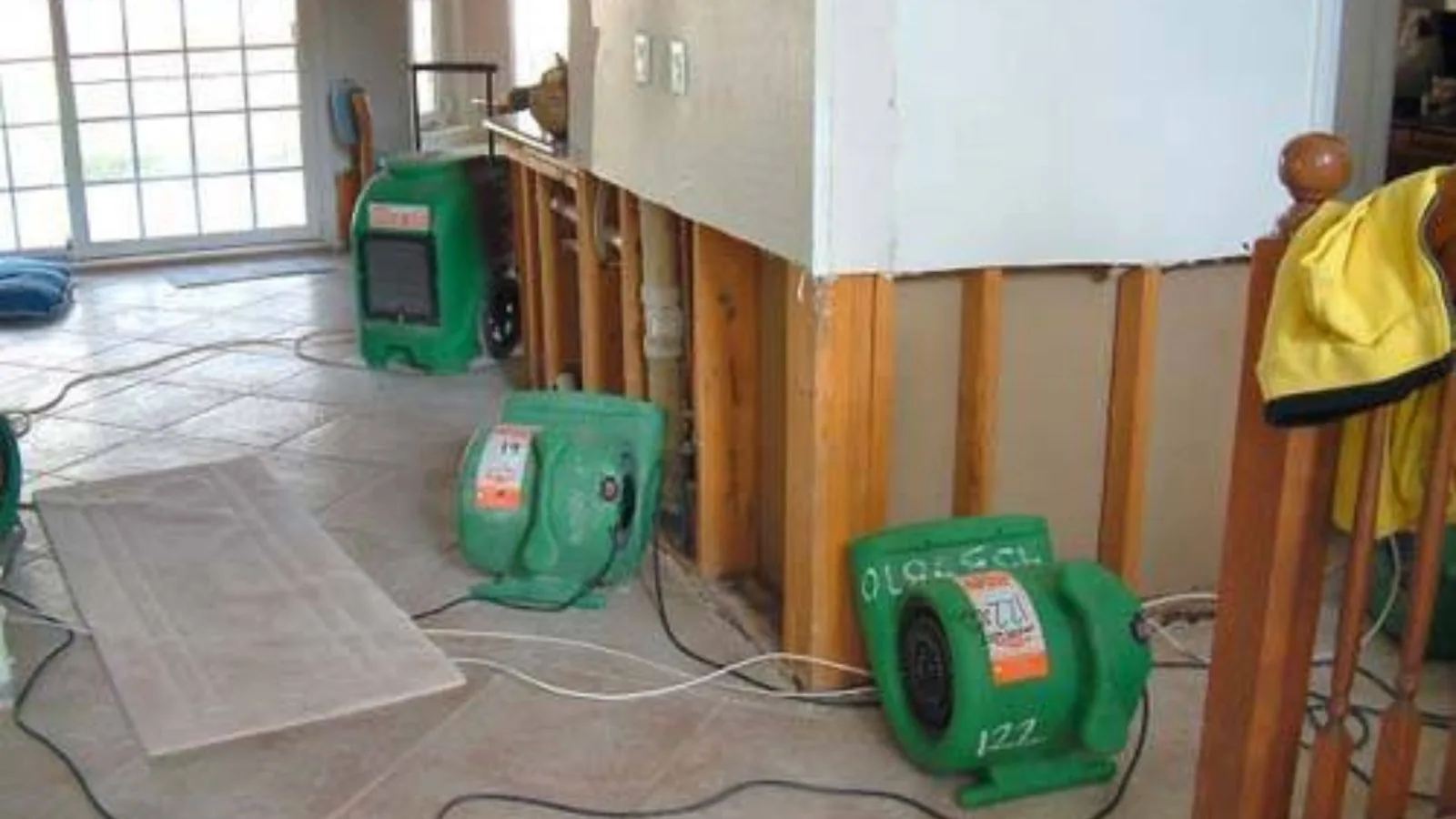
Mold clearance testing is a check, done after remediation, to confirm that mold levels are back to normal. Buyers, lenders or insurers sometimes ask for it before a sale or loan. It is done by an independent assessor, not by the company that did the cleanup, so the result is not a conflict of interest.
When clearance testing comes up
It most often comes up when an inspection finds mold, when a seller has had remediation and wants proof, or when a lender or insurer wants documentation. It is not required by default for every sale.
How the process works
Assessment
An assessor finds mold and the moisture source.
Remediation
A contractor contains, removes and cleans the mold.
Clearance
The assessor inspects and may take air or surface samples.
Report
A written report states whether the area passed.
What clearance testing checks
Visual inspection
No visible mold or damage remains.
Moisture readings
Materials are dry and humidity is normal.
Air samples
Spore counts are compared with outdoor air.
Surface samples
Tapes or swabs check cleaned surfaces.
The U.S. Environmental Protection Agency notes that sampling is not always needed, and that a visual inspection and moisture control come first. Testing is an extra layer of proof when someone needs it.
Choosing an assessor
Ask for a written scope, sampling plan and sample report. The assessor should be independent of the remediation company. Ask how results are reported and what counts as a pass.
| Question | Why it matters |
|---|---|
| Are you independent of the remediation contractor? | Avoids conflicts of interest |
| What will you sample? | Defines the scope |
| What is the pass standard? | Clarifies what a pass means |
| When will the report arrive? | Matches closing dates |
Timing around a closing
Remediation and clearance take days, not hours. Start early, share the report with your agent and the buyer's agent and keep the paperwork with the sale documents. A short delay is better than a dispute after closing.
What the report usually includes
A clearance report lists the areas inspected, the methods used, moisture readings and, if samples were taken, the lab results. It should compare the indoor results with outdoor air or with a normal baseline and state whether the area meets the clearance criteria.
Keep a copy with your closing documents and give copies to your agent and your insurer. A clear report can also help if questions arise years later.
Sellers: how to prepare
- Fix the moisture source first.
- Complete remediation with documentation.
- Hire an independent assessor for clearance.
- Keep invoices, readings and the report in one folder.
- Tell your agent early so they can plan around timing.
Buyers should ask for these records when mold is part of the inspection findings. Clear records reduce disputes and speed up closing.
What clearance testing does not do
Clearance testing does not guarantee that mold will never come back. It confirms conditions at a point in time. If a leak returns or humidity rises, growth can start again, so the building still needs maintenance.
It also does not replace a full inspection of the home. A buyer may still want a general inspection, a roof check and a plumbing inspection, especially if the mold followed a leak.
Costs and timing in plain terms
Assessors usually charge for the site visit, the number of samples and the lab fees. Rush lab results cost more. Planning ahead lets you use standard turnaround, which keeps costs lower.
Timing is the bigger issue. Remediation needs time to finish and dry, the assessor needs to schedule a visit and labs need a few days. A sale with a firm closing date should include a buffer for these steps.
Who should do the testing
Testing should be done by an independent party who does not do the remediation. That separation avoids a conflict of interest and makes the result more useful to a buyer or a lender. Ask for the lab report, not only a summary.
Keep the remediation scope, the moisture logs and the clearance report together in one folder. A buyer, an agent or an insurer may ask for them, and having them ready saves time during a sale.
What a clearance result does and does not tell you
A passing result says the sampled air or surfaces met the lab criteria on that day. It does not guarantee that moisture will never return. The best protection is a dry structure, so keep humidity low and fix leaks promptly.
Questions buyers and agents often ask
Buyers often ask what caused the mold, what was removed and whether the moisture source was fixed. Be ready to show the plumber or roofer invoice along with the remediation scope. Answers like these build trust and keep a sale moving.
Agents may also ask about warranties or follow-up checks. We do not make guarantees on this site, so speak with the company you hire about what their paperwork says and what it covers.
Timing a sale around a cleanup
Plan for drying, removal, repair and testing in that order. Each step has to finish before the next one starts, and the lab report can take a few days. Tell your agent early so the contract dates match the real schedule.
Selling on Johns Island
The Census Reporter American Community Survey lists a median owner-occupied home value of $518,500 for the Johns Island county division, so a documented, clean result matters to buyers at that price level. Records from remediation, moisture readings and clearance reports all help.
For the remediation step, see mold remediation, and for moisture that caused it, see crawl space water damage. We serve Charleston and Hanahan sellers as well.
Questions we hear on Johns Island
Not by default. It depends on the buyer, the lender and the situation.
It varies. It is often negotiated between buyer and seller.
It is best if an independent assessor does it.
There is no fixed period. Buyers may want a recent report.
The area is cleaned again and retested, and the moisture source is rechecked.