
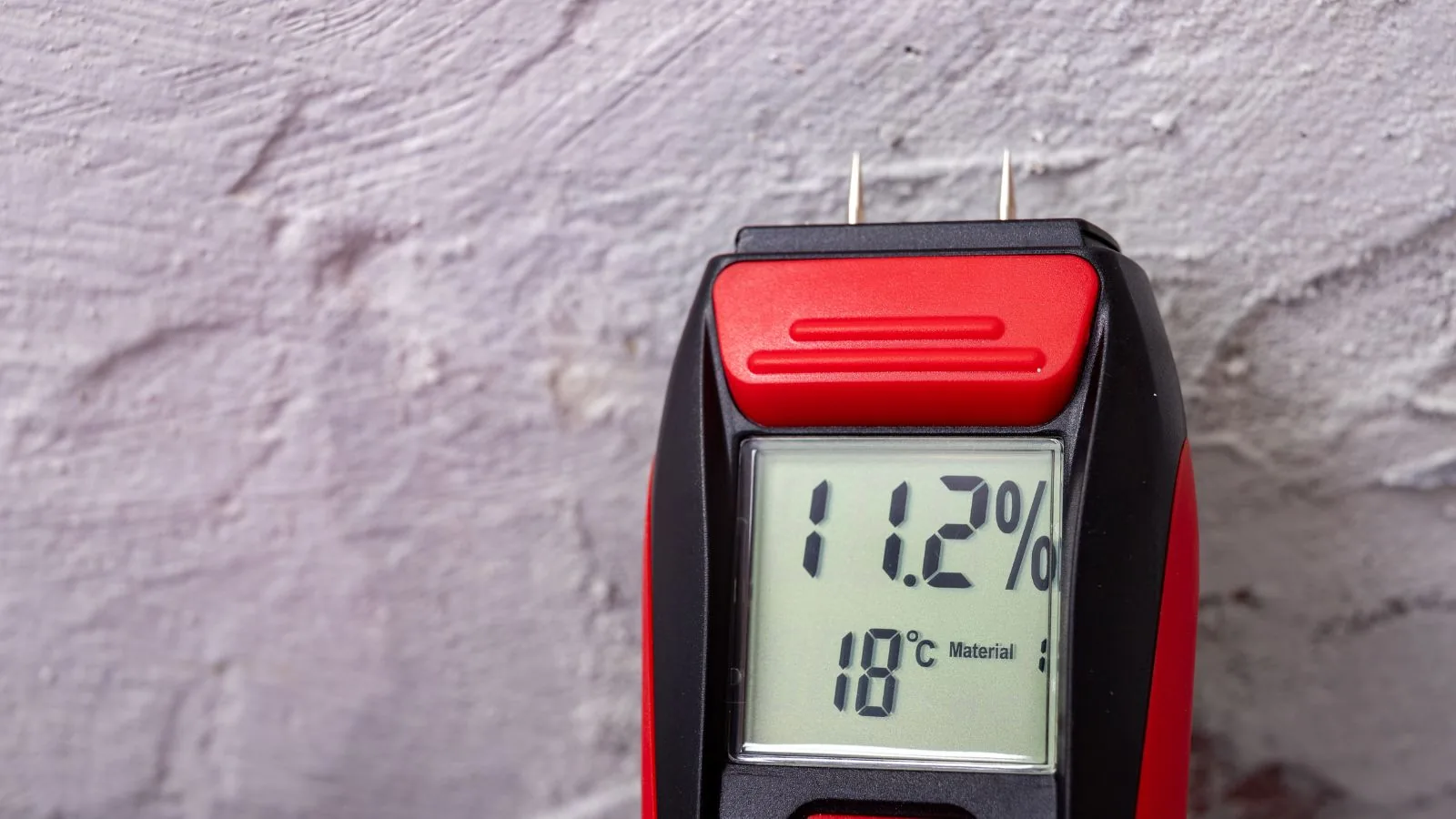
Most water damage takes three to five days to dry with professional equipment, and longer for hardwood, plaster, concrete and deep insulation. Without equipment, drying can take weeks and may never finish properly. The number depends on the materials, the water amount and the humidity.
Typical drying times
| Material | Typical time with equipment | Notes |
|---|---|---|
| Drywall | 2 to 4 days | May need cutting if saturated |
| Carpet and pad | 1 to 3 days | Pad is often replaced |
| Hardwood floors | 5 to 10 days or more | Needs steady, controlled drying |
| Subfloor | 3 to 7 days | Depends on thickness |
| Concrete slab | Several days to weeks | Slow to release moisture |
| Framing and insulation | 3 to 5 days | Wet insulation is usually replaced |
What controls drying time
Amount of water
More water means more drying.
Material
Dense materials dry slowly.
Temperature and humidity
Warm, dry air dries faster.
Airflow
Moving air carries moisture away.
Building layout
Closed cavities dry slower than open rooms.
Equipment
Dehumidifiers and air movers speed drying.
Why humidity matters
Drying is a matter of moving moisture from wet materials into the air and then removing it from the air. If the air is already humid, it cannot take much more moisture. That is why dehumidifiers matter so much in the Lowcountry.
How drying is measured
The ANSI/IICRC S500 standard describes monitoring drying with moisture meters and psychrometric readings of temperature and humidity. A crew records the readings each visit and compares them to dry reference materials from the same building.
Take baseline readings
Record wet and dry reference points.
Set equipment
Place air movers and dehumidifiers.
Monitor each day
Adjust equipment as readings change.
Verify dry
Remove equipment only when readings are at target.
Why drying can take longer than expected
Hidden moisture in wall cavities, under cabinets and in subfloors continues to release water. Pulling equipment early is a common cause of mold after a leak. If you smell mustiness, ask for another round of readings.
A sample timeline for a typical kitchen leak
On day one, the crew extracts water, removes toe kicks and sets equipment. On day two, readings are taken and equipment is adjusted. By day three or four, drywall and cabinet readings have typically dropped, and by day five most structures are close to dry.
Flooring that sat on wet subfloor may take longer. A hardwood floor may need a week or more under controlled drying, and a concrete slab may need several days to weeks to release moisture.
Signs your home is not dry yet
- A musty smell that does not go away.
- Baseboards or trim that look swollen.
- Floors that feel cool or damp to the touch.
- Condensation on windows that stays after equipment is gone.
- Paint that bubbles weeks after the leak.
If you notice any of these, ask for another set of moisture readings. It is easier to run equipment for another day than to open walls to remove mold later.
Drying by room type
Kitchens and bathrooms often have tile, cabinets and drywall, so drying focuses on the hidden spaces behind and under them. Bedrooms with carpet need the pad pulled or dried and the subfloor checked. Garages with concrete can look dry quickly but hold moisture below the surface.
Attics and crawl spaces dry slowly when ventilation is poor. These spaces may need dehumidifiers brought in and sealed vents to keep humid outside air out during the process.
Can you speed up drying?
Yes, with the right steps. Remove standing water right away, take out wet materials that cannot be dried, open cabinets and closets, and keep the AC running at a steady temperature. Do not turn the heat up, because warm humid air holds more moisture and slows the process.
Professional equipment is the biggest accelerator. Low-grain dehumidifiers and high-velocity air movers do in days what fans do in weeks, and meters tell you when to stop.
Signs that drying is going well
Moisture readings fall each day, the air feels less heavy, and musty smells fade. A good crew records readings at the same spots each visit, so you can see the trend rather than trust a feeling.
If readings stall, the crew may move equipment, open a wall cavity or add a dehumidifier. A stall is a problem to solve rather than a reason to stop. Equipment should stay until the wet materials reach their dry reference points.
What can lengthen the timeline
Thick materials like hardwood and plaster dry slowly. Wet insulation holds water for a long time. Humid weather outside makes the dehumidifiers work harder, and a lost day to a storm can stretch the schedule.
What homeowners can do to help
Keep doors and windows closed while dehumidifiers run, unless the crew tells you otherwise. Keep equipment plugged in and clear of furniture. Do not turn off a machine because it is loud, and call if a unit stops or trips a breaker.
Move valuables out of the affected rooms and keep a list of what was moved. Ask the crew which rooms need extra airflow, and avoid walking on wet floors in shoes that track dirt or moisture to dry areas.
Drying in the Lowcountry
The Atlantic hurricane season runs June 1 through November 30, and summer humidity is high for months. Open windows rarely help, because outdoor air is often wetter than indoor air.
For more on the equipment, see structural drying, and for standing water, see water extraction. We also serve Ravenel and Hanahan.
Questions we hear on Johns Island
Small spills, yes. Larger losses need equipment and measurement.
Yes. Drying equipment runs continuously until readings are at target.
Air movers and dehumidifiers move a lot of air. The noise is temporary.
Moisture readings from the crew, compared with dry reference points.
Rarely. Outdoor air may be more humid than indoor air.