
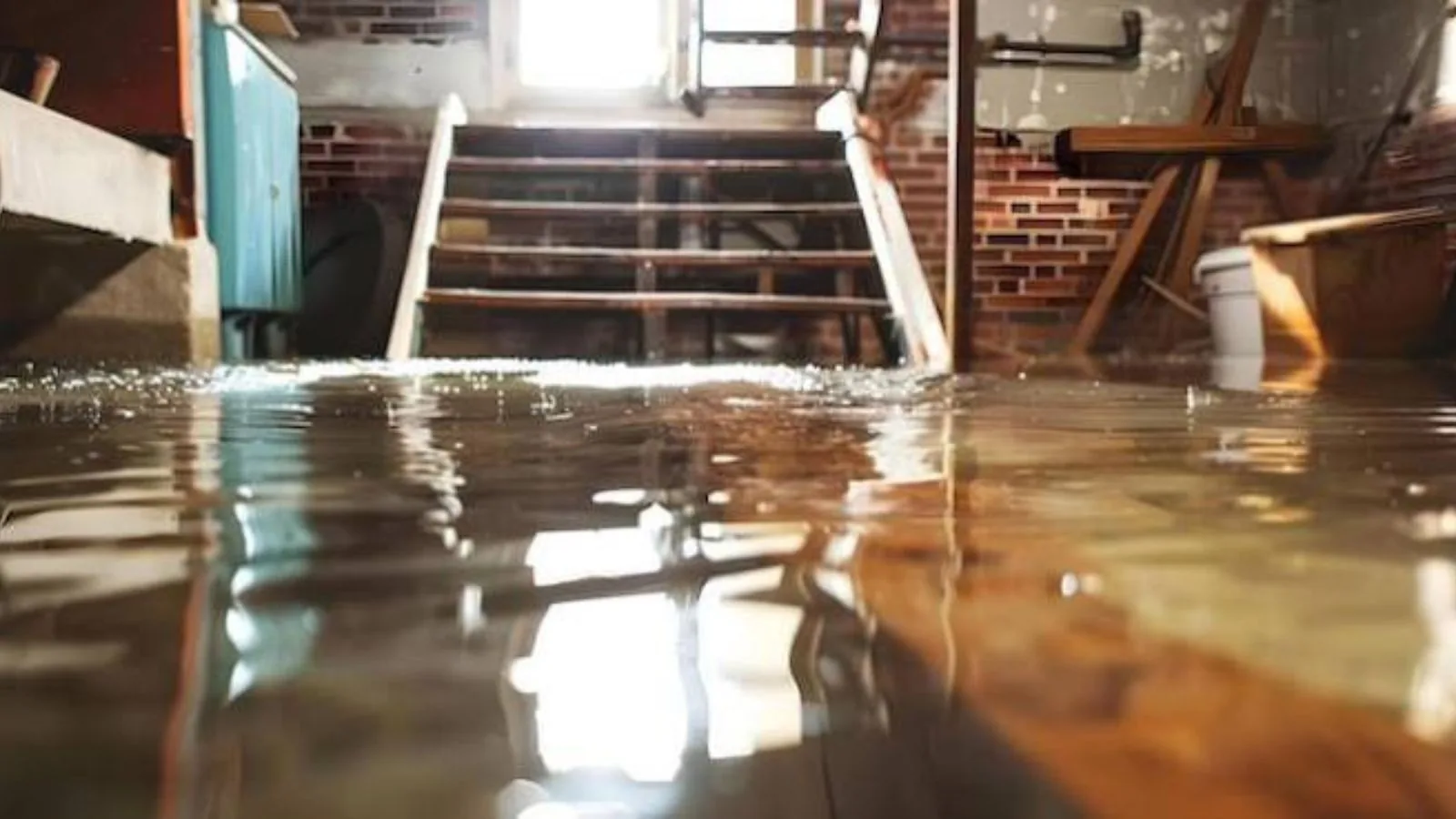
Usually yes for sudden and accidental water damage inside the house, and usually no for flood water that rises from outside. That is the short answer, and the rest of this guide explains why. Your own policy is the final word, so use this to ask better questions of your agent.
What standard policies usually cover
Most homeowners policies cover sudden events such as a burst supply line, a failed water heater or a washer hose that splits. They also tend to cover the cleanup and the repairs that follow. The key idea is that the water arrived suddenly and unexpectedly.
- A pipe that bursts inside a wall or ceiling.
- A dishwasher, washer or ice maker line that fails.
- A water heater that ruptures.
- Rain that enters after wind damages the roof.
What policies usually exclude
Policies commonly exclude flood from outside, groundwater seepage, sewer backup unless you bought a rider, and damage from long-term leaks or poor maintenance. Wear and tear on the roof or plumbing is also not a covered cause, though the water damage it leads to may be considered in some cases.
| Event | Often covered? | Notes |
|---|---|---|
| Sudden pipe burst | Usually yes | Cause and speed matter |
| Slow leak over weeks | Often no | Considered maintenance |
| Rising floodwater | Usually no | Needs a flood policy |
| Sewer backup | Only with rider | Check endorsements |
| Wind-driven rain after storm damage | Usually yes | Roof opening must come first |
Flood insurance is a separate policy
Floodwater from rivers, tides or heavy runoff is generally covered only by a flood policy, such as one backed by the National Flood Insurance Program or a private flood policy. Johns Island is surrounded by tidal water, and the National Weather Service recorded 15 to 20 inches of rain across the Charleston tri-county area in October 2015, so many owners here take flood coverage seriously.
Flood policies typically have waiting periods, so buying one after a storm is named is usually too late. Ask your agent when your coverage would start.
Hurricane and named-storm deductibles
Coastal policies often carry a separate percentage deductible for named storms. That can be much larger than your standard deductible, so read the declarations page and know the number before hurricane season starts on June 1.
Steps that protect your claim
Stop the damage
Shut off water, cover openings and begin drying. Policies expect reasonable steps.
Document
Photograph and video every room before cleanup.
Call your insurer
Report the loss promptly and ask about the next steps.
Keep records
Save receipts, moisture logs and the names of everyone who worked on the home.
Reading your policy before you need it
Three parts of the policy matter most for water damage. The declarations page lists your deductibles and limits, the coverage section explains what is insured, and the exclusions section lists what is not. Read the exclusions first, because that is where flood, seepage and long-term leaks are named.
Look for language about sudden and accidental discharge, which is the phrase insurers use for events such as a burst pipe. Also look for endorsements, which are add-ons for things like water backup, extended coverage for sewer lines and higher limits for mold.
Common reasons water damage claims are denied
- The leak was gradual and the insurer calls it a maintenance issue.
- The water came from outside the home and there was no flood policy.
- The homeowner waited too long to report or to begin drying.
- Damage worsened because no mitigation was done.
- The cause was excluded, such as wear and tear on the roof.
Most of these denials can be avoided by acting quickly, keeping records and asking your agent about coverage before a loss. If a claim is denied, ask for the reason in writing and for the policy language it relies on.
Working with your adjuster
The adjuster inspects the loss and writes an estimate. Share your photos, moisture logs and receipts, and ask questions about anything that seems missing. If you disagree with the estimate, you can ask for a review and provide the restoration company's documentation to support the scope.
Mold, sewage and other special cases
Mold coverage is often limited. Some policies cover mold only when it follows a covered water loss, and some set a low dollar cap. Ask your agent for the number, and ask whether it applies to cleanup, testing or both.
Sewer and drain backup is another special case. Many policies exclude it unless you added a rider, and the rider limit may be modest. If your home has a lower level or a floor drain, a rider is worth pricing.
Renters and condo owners
Renters insurance usually covers your belongings, not the building. The landlord's policy covers the structure, so tell your landlord right away and document damage to your property. Condo owners often have a master policy plus their own coverage, and the line between them depends on the association documents.
How to talk to your agent before a loss
The best time to learn what your policy covers is before anything goes wrong. Call your agent and ask five questions. What are my deductibles for water, wind and named storms? Is water backup covered? Is there a mold limit? What flood coverage do I have? How do I report a loss after hours?
Write the answers down and keep them with your policy. Update the conversation each year when the policy renews, because coverage and prices change.
A note for Johns Island homeowners
Parts of Johns Island sit in mapped flood zones, and others do not. FEMA's Flood Map Service Center lets you look up your address, and your lender can tell you whether flood insurance is required on your loan.
When water damage is already inside the house, our water extraction and flood damage cleanup pages explain what we do first, and we also serve nearby Ravenel and Charleston.
Questions we hear on Johns Island
It depends. Many policies cover mold only if it follows a covered water loss, and some cap the amount. Ask your agent for the mold limit.
It can. Insurers look at claim history, so some owners pay small losses themselves. The choice depends on your deductible and the cost of the repair.
Often the policy covers the water damage but not the repair of the failed pipe. Ask how your policy treats the source.
Look up your address in FEMA's Flood Map Service Center and talk to your lender and agent. Even outside mapped zones, flooding is possible.
No. Policies expect you to limit further damage. Document first, then begin mitigation.